Part II. The nature of the threat and the limits of knowledge
Chapters 7–13. How to distinguish mechanisms of harm and retain testable explanations.
After the first answer, the next question appears: what exactly is happening? A similar illness in several people may have different explanations; an unusual research result also requires interpretation. In this part we will separate the mechanism of possible harm from the origin of the material and the scale of the event.
The reader’s task is to learn to see which conclusion is already supported by the information, and which is still being verified. This will allow you to choose a useful next question and understand why one new observation only changes part of the plan. The analysis at the Sfera station will continue in chapter 9.
7 Infection, contamination, toxicity and mixed hazards
Navigation: NAV · p. 003 · Contents: OGL · p. 010
Different mechanisms require different questions
The word "biological" covers different events. The material may be on the surface - this is a matter of contamination. Infection involves the penetration of an agent into the body with its subsequent development or reproduction; The contact itself does not yet establish an infection. [47] Harm may be associated with a toxic substance. These mechanisms sometimes combine, so it is important to understand what event each record received describes.
At the first stage, this distinction helps to select specialists and the right questions. For unknown etiology, that is, an unknown cause of the disease, WHO guidelines retain several explanations, including environmental and toxicological. [2] Therefore, the version of infection is considered together with the possibility of a common non-infectious cause, especially if people were in similar conditions.
Working map of mechanisms
Proposed mechanism | The main question | Which directions are connected? |
Infectious process | Is there any reason to suspect an infection; whether it causes disease; what transmission routes are possible - questions are assessed separately | Clinical, epidemiological, diagnostic |
Environmental pollution | Where is the material located and is there an impact? | Engineering, environmental, specialized laboratory |
Toxic effects | Is the intake of harmful substances continuing? | Clinical, toxicological, engineering |
Environment failure | What necessary conditions are violated? | Life support and medical care |
Mixed danger | What mechanisms operate simultaneously? | Coordinated work of relevant services |
The mechanism of harm and the scale of necessary assistance are also assessed separately. Even a small group of victims can exceed the capabilities of a remote base. On the contrary, the widespread presence of the material in the environment still requires determining whether it causes infection. When assessing risk, they take into account possible consequences, conditions of exposure and available assistance. The name of the factor alone is not enough for this. [19]
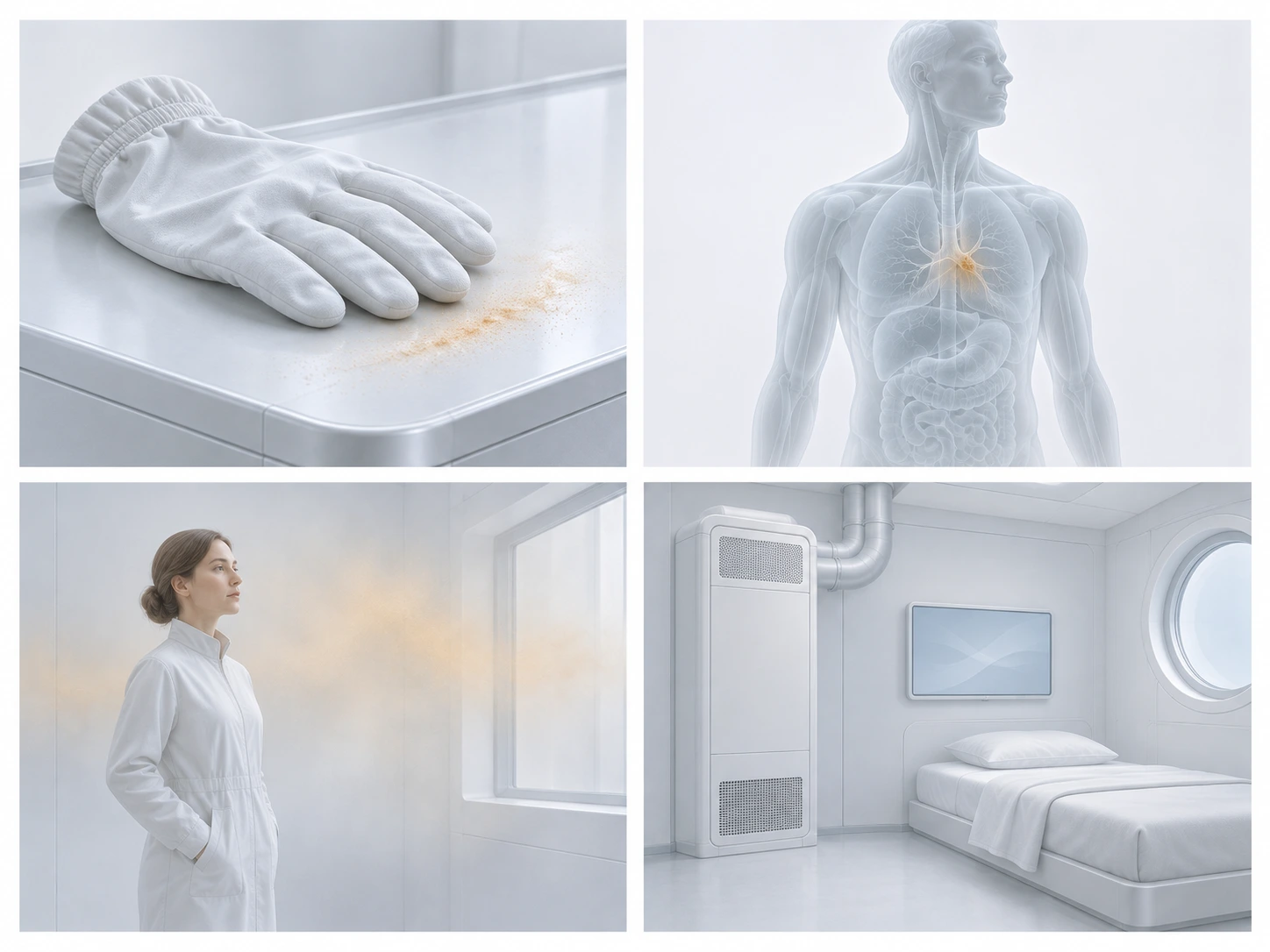
Figure 03. Different mechanisms of harm
From left to right, top to bottom: material on the surface; process in the body; harmful effects of the environment; equipment as a conditional example of violation of conditions of stay. Amber marks are relative. Panels are not stages of a single event or established diagnoses.
Actions with an unknown mechanism
While the mechanism is unknown, the medical team describes the people's condition and the care needed. The investigation director collects observations and formulates several explanations. The engineer checks the environmental conditions and available normal modes. The general manager agrees on the temporary measures, records their basis and orders a review.
Each version must have a question, the answer to which will change the action. If a common source is suspected, connections with it and the possibility of ongoing impact are clarified. Possible transmission between people requires appropriate epidemiological information and protection during care. Until the picture is clarified, the team can carry out both lines of work.
Typical logical errors
The conclusion always relates to a specific issue. Clothing soiling describes the material on clothing; the person’s condition requires a separate assessment. The coincidence of symptoms requires finding out the causes of the disease. Even the discovery of a familiar microorganism leaves open the question of additional chemical exposure or disturbance of environmental conditions. If communication with the site is not available, the absence of complaints from it means, first of all, a gap in observation.
In a training situation, several employees became ill in the same room. The team reviews the infection while the engineer simultaneously checks the environmental conditions. An identified malfunction becomes a new fact, the connection of which with the condition of people still needs to be assessed. Help for P02 · p. 156 continues while experts compare explanations. This order allows you to use the find while preserving the questions that it does not yet answer.
8 Known pathogen in unusual circumstances
Navigation: NAV · p. 003 · Contents: OGL · p. 010
A familiar name doesn't complete the assessment
When the study indicates a familiar pathogen, it is easier for the doctor to choose the direction of work. The doctor then checks whether the guideline is appropriate for the patient and the care setting, taking into account age, condition, facilities needed and ability to be monitored. A familiar name helps narrow your search; local conditions determine how to carry out the chosen plan.
The unusual severity of the group of cases requires explanation. It may be associated with late detection, the condition of the victims, registration features, exposure conditions, or other reasons. By itself, it does not yet establish a change in the properties of the agent. Versions are checked through P06 · p. 160 and G35 · p. 086, storing data that does not fit into the first explanation. [2]
Adaptation procedure
1. The attending physician verifies that the result applies to the correct patient and answers the question asked. He clarifies the limitations of the study with a diagnostic specialist.
2. The clinical lead selects the current specialist guideline and records its version, the review date, and any conditions the local organization cannot yet meet.
3. The infection control manager checks the placement of people and work procedures taking into account the expected route of transmission.
4. Procurement and engineering confirm that the resources necessary to safely carry out the selected activities are available.
5. The investigation manager compares the event with the working version. Unexplained cases and conflicting results are considered equally with supporting evidence.
Following this work, local guidance should show what the team is capable of accomplishing and where support will be needed. If an important component is not available, its absence is recorded. The further action is chosen from the provided options: reserve, consultation, change of place of assistance or request to the next level.
Conditions for revision
The plan is revised if there is a case outside the expected chain, deterioration against the background of assistance, discrepancy in results or failure of control. Each circumstance is recorded separately. The number of unexplained events is assessed along with the quality of the observation and the case definition for which they were included.
A training situation at a remote base shows the boundary of the transfer of ready-made manuals. The result was in favor of a known infection, but the base does not have all the hospital capabilities. The team verifies whether the result matches the patient’s condition, receives consultation, and selects the level of care available. The name of the disease helps discuss treatment, but the decision about where to care remains a matter of people and resources.
Return to general uncertainty
If the result does not explain what is happening well, the investigation continues. Experts check the quality of the data, the possibility of the accompanying presence of the detected material and other reasons. The responsible doctor changes the direction of treatment according to P08 · p. 162, maintaining the support the patient needs.
In a public summary, it is useful to explicitly state the level of knowledge achieved: a factor has been discovered; the cause of certain cases has been confirmed; the remaining observations are still being studied. Then the participants understand why some decisions have already been clarified, while others are still being retained. The next chapter shows how to record such uncertainty and choose further testing.
9 Unknown etiology and competing explanations
Navigation: NAV · p. 003 · Contents: OGL · p. 010
The hypothesis should help the choice of action
A working hypothesis is an explanation against which the team can compare new information. They write down what supports it, what contradicts it, and what action will change after verification. This makes the assumption useful to work with. The head of the investigation chooses first of all the issues on which assistance and limitation of harm depend.
WHO describes the investigation of an illness of unknown cause as a process in which explanations are refined. [2] Both the case definition and the idea of the source may be inaccurate at first. The team saves the changes along with their reasons. Then the information from different stages can be compared, and the new conclusion can be verified.
Explanation Matrix
For significant versions, a matrix is compiled - a general record of the proposed mechanism, supporting information, contradictions and the next question. The doctor assesses how well each explanation fits people’s clinical condition. An epidemiologist looks at the distribution of cases and relationships. The laboratory specialist explains what the study can conclude. The engineer and environmental specialist check the general sources and occupancy conditions.
The matrix does not need confidence percentages that have no justification. Instead, write down which explanations remain plausible, what is missing to choose between them, and which actions are already justified. Such a record helps the next shift to continue the reasoning without taking a beautiful number for a measured result.
The useful matrix can be checked on the next shift. Having received it, the specialist must understand what the team considers an observation, why it is still saving each version, and what issue needs to be resolved first. The line “possible infection” is too broad: it does not show what information needs to be compared. A more meaningful entry points out the connection that is suggested, the observations in its favor, and the contradiction that is not yet explained.
Brevity is achieved by clear boundaries of the question. If the question concerns the suitability of the work premises, the matrix is not required to simultaneously complete an investigation into the origin of the material. At the same time, the connection between areas must not be lost: new medical information may require a return to environmental assessment. Therefore, next to the conclusion, an event is indicated after which it should be revised.
A justified interim decision has a positive content. The team can name the available action, explain what information supports it, and show how it will verify the result. The remaining unknown information is written down next to it. This allows you to act within certain limits, while maintaining the ability to correct the decision after a new observation.
How to choose the next question
First, a question is selected whose answer may change immediate care, stop ongoing exposure, reduce significant transmission, or permit needed action. They then evaluate whether a response can be received in a timely manner and how safe the work itself is. An interesting research question may remain important even if a more immediate need now takes priority.
1. The head of the investigation names a decision for which there is not yet enough information.
2. The profile team explains which answer will help distinguish between the significant versions.
3. The authorized person confirms that the work can be performed safely and that the result is applicable to the question asked.
4. The decision maker describes in advance what to do for different possible answers.
5. The team schedules a review in case of delay or uncertain outcome.
Continuation of the analysis of R1: When one explanation weakens
Let's return to the Sfera station. The initial information is the same: an unusual signal in the working compartment and a message from one crew member about being unwell. The team checks the possibility of a common cause, but also retains another possibility: the technical deviation and the human condition may have different explanations.
The two versions have a common corollary: the person needs a medical assessment, and the system's readings need to be verified. Therefore, these actions are already being performed. The distinction is important for subsequent decisions, such as assessing the operating compartment and the scope of further investigation. The manager does not force the team to choose one version before discriminating information has emerged.
An engineer reports a failure of one measurement channel. This explains why some of the technical information cannot yet be trusted. But the message itself does not say anything about the cause of the malaise. The entry “alarm turned out to be technical, event completed” would combine two different conclusions and leave the medical issue without a person in charge.
The team updates the matrix. A confirmed fact appears in the technical version line: a channel failure has been detected. In the line of connection with the human condition, the unknown remains. The medical officer continues the assessment, and the engineer determines what conclusions about the work compartment are available from the remaining information and what needs to be independently confirmed.
Now we can compare the two organizational decisions. The first is to keep all restrictions unspecified until each event is fully explained. It is simple for the message, but can unnecessarily link different tasks and consume limited station capacity. The second is to review each measure on its own basis. It requires more accurate recording, but allows you to complete confirmed stages, leaving the rest under observation.
The manager chooses the second logic. This is not permission to return to any work. He instructs to determine which conditions for the specific use of the compartment are confirmed and who has the right to make the appropriate decision. The medical plan is saved separately. Significant regime restrictions remain visible to the crew.
The next question is formulated in advance: what information will show the state of the working compartment, regardless of the faulty channel? If you receive a sufficient answer, you can revise the technical part. If the response is delayed or inconsistent, the assigned review order will remain in place. This way the team knows not only the current version, but also what its action should change.
This example shows the value of partial knowledge. The identified technical fault is already useful, although the overall picture is not yet complete. In chapter 14 we will look at why the second screen by itself may not be an independent confirmation. And in chapter 55 we will return to the separate completion of decisions about a person and a workplace.
Dealing with Contradictions
If a valid observation contradicts the hypothesis, the team revises the hypothesis. If there is doubt about the quality of the observation itself, it is checked separately. For example, a misattributed outcome to a patient and a true difference between cases require different decisions. The record should show which of these questions is currently open.
In a teaching situation, the case definition initially includes only fever. Later, convincingly related observations without fever appear. The epidemiologist and physician clarify the definition, retain the previous version, and revise previously excluded reports. New information expands the search area; the former records remain part of the investigation's history.
Sometimes the cause remains unidentified at the end of the investigation. The report then describes the confirmed facts, the measures taken, the limitations of the research and the reasons for reopening the investigation. Assistance continues according to people's needs; each remaining constraint requires its own justification. Completion of a stage means that its tasks have been completed within certain limits. Open questions and follow-up are referred to the named person in charge.
10 Laboratory association and the limits of inference about origins
Navigation: NAV · p. 003 · Contents: OGL · p. 010
Origin and properties are assessed separately
Linking an event to a laboratory can mean a variety of issues: loss of containment, recordkeeping error, or transmission failure. Each requires its own verification. The conclusion about the artificial creation of the agent, the intentional action or the severity of the consequences is considered separately and supported by relevant information.
Help for people and stop the ongoing impact are organized while the origin of the event is still being clarified. WHO laboratory biosafety and biosecurity guidelines describe risk assessment and responsible handling of materials and information. The authority of a particular investigation is determined by the organization and applicable regulations. [1, 7]
Two related lines of investigation
The overall leader organizes the response to ongoing consequences. The authorized investigating party investigates the circumstances and stores the information. Participants must understand the difference between these tasks: the employee reports the problem and receives assistance while liability issues are still being addressed.
Versions of documents, transfer information, procedures in effect, maintenance and fault records are retained for investigation purposes. Access to sensitive information is provided within the scope of the recipient's task. The public brief provides useful information without dangerous technicalities or unnecessarily exposing victims.
Sequence of decisions
1. The employee reports the observed failure via P01 · p. 155 and P04 · p. 158. Independent research of unknown material is not included in this task.
2. The laboratory manager advises the response team of known hazards and staffing limitations. He identifies unconfirmed information separately.
3. The medical service assesses possible exposure and organizes assistance based on the condition of each person.
4. The investigation director determines the credentials of the participants, the required records, and how they will be retained. Specialized work is entrusted to authorized performers.
5. An independent or sufficiently separate party reviews the main findings and possible impact of conflicts of interest.
6. The authorized body separately considers further work safety and responsibility for the incident.
What cannot be concluded from one sign
To infer an origin, you need to show how a particular source supports it. The proximity of the research project, the unusual type of material, or the sequence of events provide questions for testing. A missing document also requires checking the completeness of the search. Each of these signs is assessed as part of the event information.
In case R2, the discrepancy between records came from an old copy of the log. This explained the missing visible confirmation, but established neither the properties of the contents nor the condition of the container. Likewise, in a more complex laboratory incident, a document check must answer the particular question it actually examined. A new account of origins does not automatically broaden the inference.
Resumption of work is considered after P13 · p. 167 and G55 · p. 140. Equipment may be checked before the observation of employees is completed. Administrative investigation also has its own tasks. Each direction requires a separate completion basis.
11 Resistant forms and persistent contamination
Navigation: NAV · p. 003 · Contents: OGL · p. 010
The time of the event is not equal to the time the danger persists
Once the initial exposure has ceased, individual materials, areas and systems may still require assessment. The absence of new diseases describes the observation of people, but not the condition of each subject. Observation periods and authorization conditions are determined taking into account the specific hazard, method of verification and intended use.
The word "spore" refers to a biological form found in different organisms. The decision requires information about a specific agent and conditions. The stability of the material and the suitability of the method of elimination are assessed separately. Ideas about ordinary microorganisms cannot be transferred without verification to another proposed mechanism of harm.
Re-exposure map
The restoration manager and engineer map the source, associated areas, movements, utilities and waste. Medical and epidemiological teams compare it with information about people. Diagnostic specialists show which parts of the map are covered by the check and where data is not yet available.
The card must have a date and version. Unchecked areas are marked directly. They still require a decision on acceptable actions; absence of data is not substituted for either a statement of stated hazard or permission for any use.

Figure 04. Preserved material and untested areas
Surfaces, tissue folds and hidden cavities are assessed separately. Amber inclusions conventionally indicate the material and do not prove infection. The extent of inspection of each site is recorded separately; The absence of a mark does not mean that the area has been checked.
Prolonged containment as a managed process
If immediate termination is not yet warranted, the team develops a containment plan. It identifies who is responsible, resources, condition monitoring, signs of failure, and upcoming review. The plan is valid under the conditions described; continuation requires re-evaluation rather than habituation to a temporary routine.
They check the condition of structures, equipment and data, the possibility of maintenance and personnel changes. When the intended use changes, the evaluation is repeated. Prepared technical access, permanent residence and transfer of property require different conditions, so the permit must name a specific activity.
Conclusion of completion
The US Environmental Protection Agency (EPA) approach links the remediation decision to the quality of the data and the question for which it was collected. [31] Therefore, together with the negative result, the subject of the search, the conditions covered and the restrictions are indicated. If multiple studies have the same blind spot, the number of results alone does not eliminate it.
In a training situation, the premises are allowed to be used by a trained team after the work has been completed. However, property from the adjacent storage facility has not yet been appraised. The manager separately describes the permitted activities and the procedure for handling this property. The summary preserves the decision boundaries so that the expression “object open” does not take on a broader meaning.
With a new signal, select P04 · p. 158, P06 · p. 160 or P09 · p. 163 on factual circumstances. The possibility of re-entry, incompleteness of the initial assessment, data error and other explanations are checked. The saved history helps you understand which part of the plan needs to be changed.
12 Hypothetical extraterrestrial biology and planetary protection
Navigation: NAV · p. 003 · Contents: OGL · p. 010
Frontier of knowledge
The extraterrestrial biological threat scenarios in this book are hypothetical. The unusual appearance and unknown origin of an object does not in itself establish the presence of life. NASA points out there is no confirmed evidence of extraterrestrial life; therefore, the following considerations require an explicit separation of the known and the assumed. [3]
In the first message, it is appropriate to call the object an unknown material and describe information about its origin. Then the signs of the biological process, possible harm and contacts are considered separately. If an estimate is based on an assumption about terrestrial biochemistry, this assumption must remain visible: the scope of the inference depends on it.
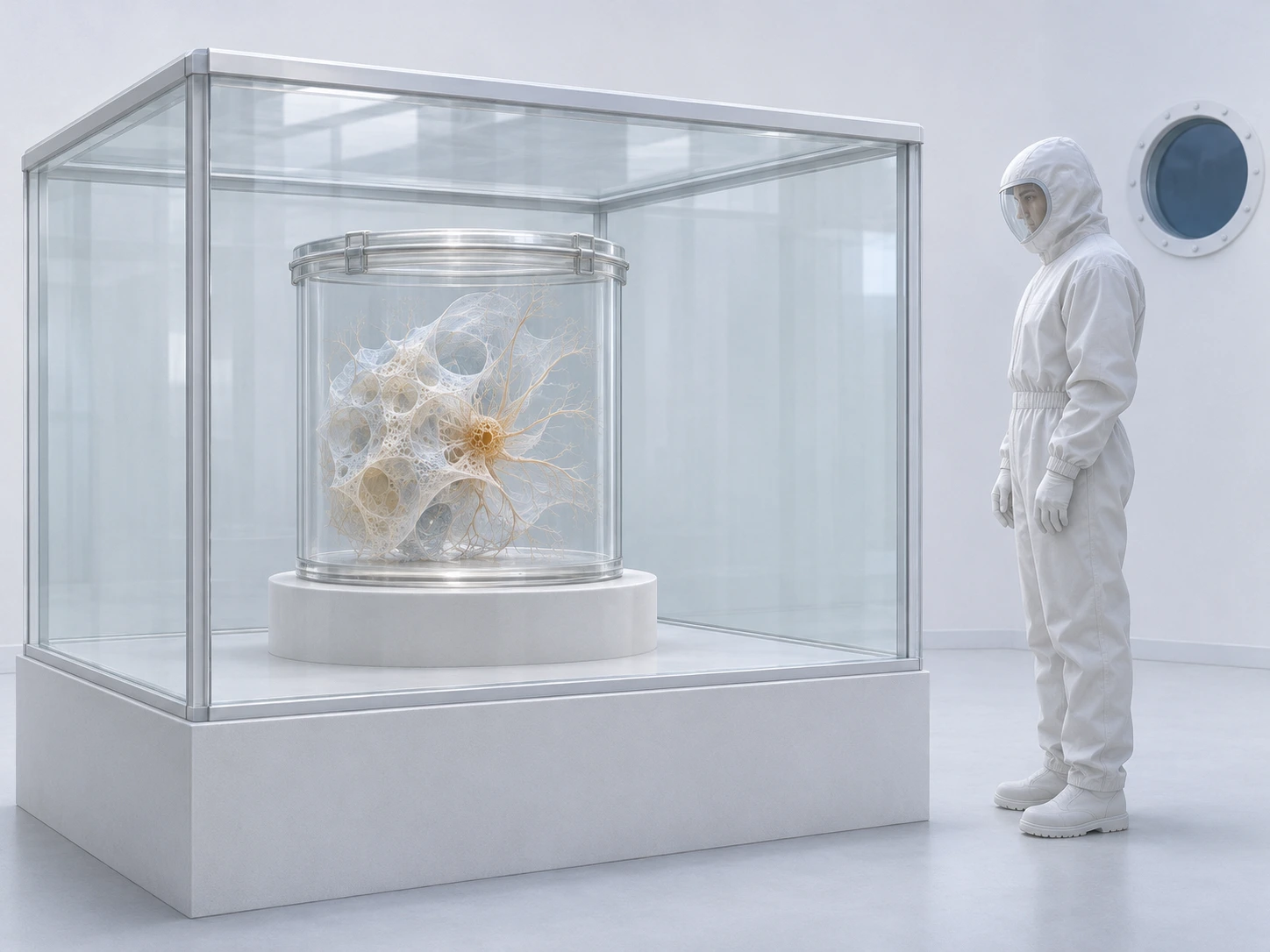
Figure 05. Unknown sample under observation
An artistic model of a hypothetical scenario. The structure depicted is not evidence of extraterrestrial life or an identified biological threat; origin, biological characteristics and possible harm require independent assessment.
What do existing documents provide?
COSPAR (Committee on Space Research) Policy 2026 describes planetary protection and special conditions for individual missions, including the return of materials. It also acknowledges the limitations of assessing unknown extraterrestrial biology. It is an international science policy with a specific scope; its provisions do not automatically become national law or universal instructions for any orbital station. The document is compared to the specific mission and applicable regulations. [4]
From existing documents, assessment procedures, distribution of responsibilities and requirements for confirming decisions within their scope can be used. The suitability of a particular study, retention, or treatment for a hypothetical agent remains an independent question.
Designing under deep uncertainty
Prior to the mission, the operator describes the expected contacts and transfers, assigns those who authorize them, and determines the available actions in case of deviation. The Planetary Protection Specialist reviews mission-related requirements. The engineer evaluates containment and its dependencies. The medical director prepares assistance to the crew and transfer to the next stage.
For each measure, write down its reasons: what mechanism it should limit, under what conditions it works, and how the team will notice a failure. The unconfirmed assumption remains in the journal. Then it is clear to the next participant why the decision is temporary and what information will allow it to be changed.
Man and material have separate routes
Rescue of a person, relocation of equipment and return of research material require separate decisions. For each, the need, potential impact, available protection, and recipient readiness are assessed. The plan must simultaneously support the life of the crew and address the risk of transferring the perceived hazard.
In a learning situation, an unusual result appears after external work. The medical team evaluates people, the engineer figures out actual systems connections, the mission director reviews non-essential transmissions. The research version is being developed in parallel. Material inspection is carried out by an authorized team within the agreed scope of work.
What is considered a useful result?
A useful outcome at this stage is preserved vital signs, confirmed task transfer, description of contacts and clear boundaries of conclusions. The level of knowledge allows us to evaluate certain actions and leaves other questions open. For an actual mission, the proposed organizational chart is reviewed by engineering, medical, scientific, and legal experts.
13 Animals, plants and ecosystems
Navigation: NAV · p. 003 · Contents: OGL · p. 010
The object of observation is wider than human disease
The event may affect animals, plants, food chains and the environment. Significant harm can occur in people without severe illness. The One Health approach links these areas and supports different services working towards the big picture. [18]
The first report distinguishes between the observed death or illness, the change in the observation itself, and the identified cause. Seasonal variations, new recordkeeping rules and local influences may also explain part of the picture. The close time of events serves as a reason to compare information, but the connection between them still requires verification.
Collaborative work picture
The territorial head appoints contacts for veterinary, environmental, sanitary and, if necessary, phytosanitary services. The investigation leader will agree on what the participants consider to be an observation, what area and time they are considering. The data manager maintains recordkeeping differences so that the overall table does not create the appearance of identical measurements.
The summary shows affected species and sites, monitoring conditions, connections to human activities, potential impact pathways, and knowledge gaps. Sensitive information is received by authorized participants. The public message explains what is available and how to get help.
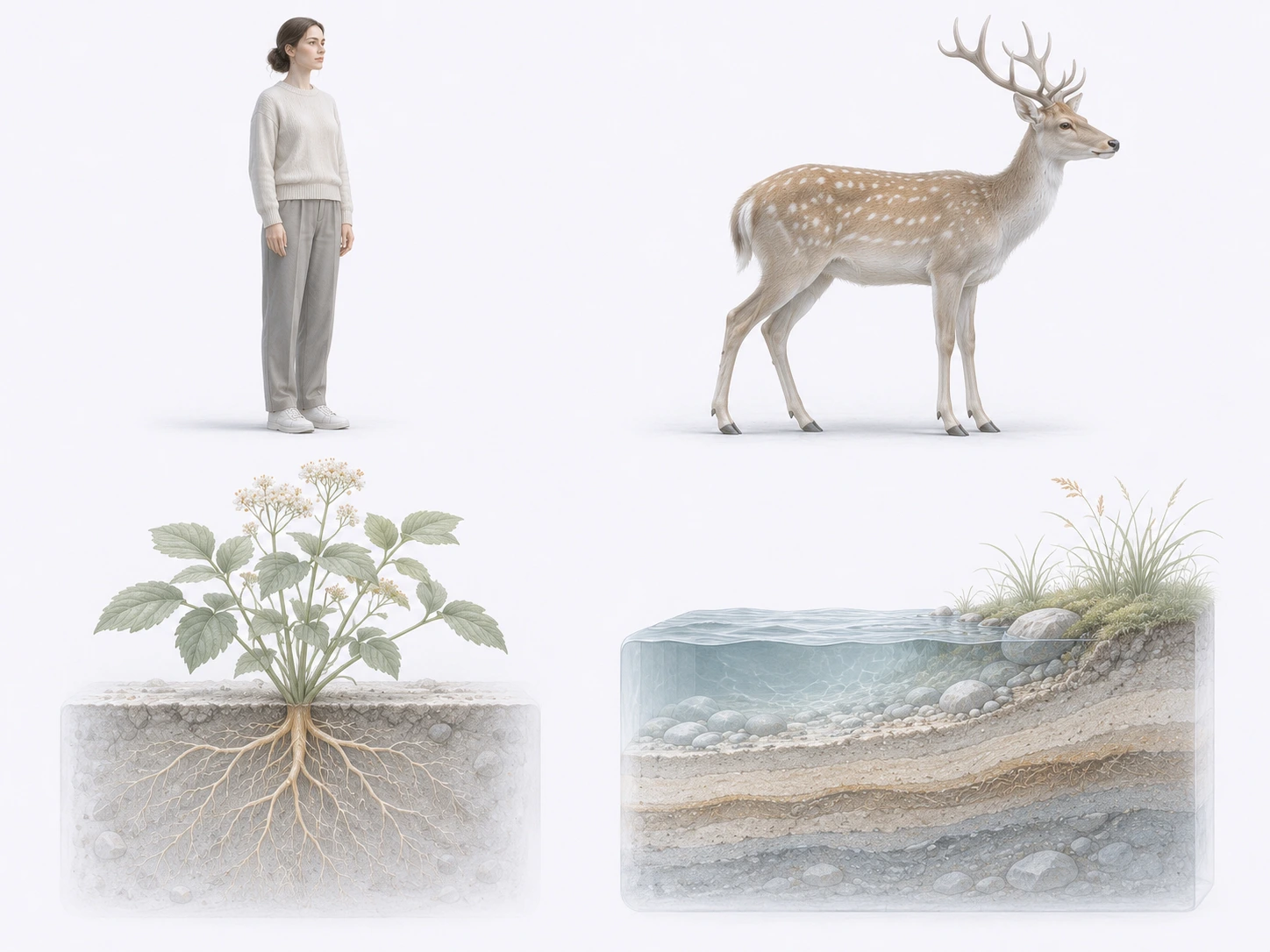
Figure 06. Four areas of joint surveillance
Man, animals, plants and the environment provide different objects of observation. The overall operational picture preserves service competencies, recordkeeping differences and significant gaps; proximity of observations does not prove transmission.
Response order
1. An eyewitness reports the location, time, and change noticed. You do not need to contact or transport suspicious material yourself to confirm the report.
2. The relevant service appoints a competent inspector and determines the boundaries of the first decision.
3. The general group compares information about people, animals, plants and the environment. The degree of confirmation of each hypothesized relationship is kept separately.
4. The manager coordinates measures and supplies, taking into account the consequences for residents and households.
5. Restoration services determine further monitoring and conditions for the specific use of the territory or product.
The World Organization for Animal Health (WOAH) considers preparation for animal health emergencies as part of associated risk management. Decisions regarding animals and products are made by the authorized veterinary party in their area of responsibility. [41]
Consequences of the measures themselves
By limiting access to the farm, you need to conserve water, feeding and care. When closing a site, it is necessary to find out which services will lose the ability to maintain the infrastructure. Therefore, the plan immediately names the person responsible for the necessary work and checking the consequences of the restrictions. Otherwise, the measures themselves may create additional harm.
In a training situation, complaints from people and reports of sick animals were simultaneously received. The services create a general chronology and check possible connections. Each organizes assistance in its own area. Decisions about water, products and territory are given their own reasons; the possibility of transmission between species remains a matter of investigation.
Completion of work also occurs according to directions. Living conditions, product suitability and ecosystem restoration are assessed separately. Long-term tasks are transferred to permanent services through P14 · p. 168 and G57 · p. 144. To carry out these decisions, the team needs functional defense systems; their structure and dependencies are discussed in the next part.