Part III. People, Shelters, and Life After the First Decision
Help must reach the person
The bus can get to the desired building, and its passengers can be left without help at a closed door. A shelter may have electricity but not power compatible with a personal medical device. The family may fulfill an agreement to meet and end up in danger on the way to each other. Therefore, civil protection continues after the first correct order. Its result is visible in the life of a particular person: he can breathe, receive the necessary help, contact loved ones, use water and leave the room when the situation changes.
The origin of the event may still remain unknown. This does not prevent you from noticing a fire, loss of consciousness, damage to a building, or a loss of water supply. But different dangers require different actions. For outdoor contamination, temporary sheltering sometimes reduces exposure; when there is a fire inside, the same decision keeps people in danger. First you need to understand what is happening here, and then choose a defense.
All protocols in this part have status [P]: this is the author’s procedure for applying the principles of civil protection to an unknown event. They are not orders of any country. Published recommendations are designated [O] and are accompanied by source codes. Study cases and the unusual properties assigned to them are marked [S]. A property accepted in an exercise does not become an established fact about the real world.
[O] WHO Guidance on the Rapid Risk Assessment Tool for Member States (MS-RRA), published September 8 2026, addresses hazard, impact and context, including response capabilities; it specifically notes gaps in information and confidence in conclusions. The same year's Quick and Immediate Risk Assessment (QIRA) algorithm is designed to initially assess acute events and select initial interventions. These documents do not describe an extraterrestrial invasion. Their approach to decisions with incomplete information is used here. [C1, C2]
What is observed | Where does protection begin? | What else needs to be found out |
Fire, destruction or hazardous substance inside | Stop exposure and exit via an accessible, safe route | Is the chosen exit more dangerous? where will they help next? |
Confirmed hazardous release from outside | Follow local orders to shelter in place or evacuate. | How does the impact spread? is the building suitable? |
Radiation contamination of the territory | Go to a suitable capital building and receive instructions | What does official control show? what route is acceptable next? |
Unusual symptoms in several people | Arrange medical assistance, report general circumstances | Is there a common source, infection, ventilation failure, or other cause? |
Only an unusual entry or message | Check the origin of information without getting close to the object | Is there independent confirmation and real harm? |
This table helps pose the question, but does not prescribe a universal route. In CDC radiation guidelines, shelter may be the middle of a building or the basement; In a chemical accident, the choice depends on the specific contamination and official guidelines. You cannot automatically transfer any of these options to an unknown energetic influence. [C3, C4]
How to get through this part
If you find yourself near an event, start with C01. The family needs C02; in case of injury or sudden deterioration of condition - C21. If there is no connection, a ready-made plan and an available service, immediately open C15: you do not need to first study the city government to get started. The C17 and C16 protocols help you search for loved ones, support people, and notice when your assistant can no longer cope.
The next set of tasks is related to the location: choosing a shelter, its daily operation, transporting and receiving people. Here the reader becomes the building manager, dispatcher or accommodation organizer. Then the settlement, city and hospital are considered. The last section is dedicated to water, supplies, replenishment and return. The levels are linked by the transfer of specific tasks: the family communicates a need, the settlement collects a feasible request, the city coordinates services and routes.
The time in the examples specifies the sequence of work. It does not mean a safe period of exposure or a promise of help. The first hours require finding out the position of people; next shift - maintain care and supplies; days and weeks - to establish a repeating life. When water or medical care fails quickly, long-term accommodation challenges arise immediately. If new information confirms that there is no significant threat, unnecessary restrictions are lifted earlier. You cannot endlessly extend the first night regimen.
Person and family: immediate action
C01 Man next to an unknown event
Who uses it. Witnessing an unusual object, flash, falling debris, equipment failure, or sudden deterioration in health. If it is difficult to act independently, an accessible, trained person can help.
Where to start? Stop unnecessary approaching. Notice the nearest hazard, select an available protective action, and report casualties. Don't hesitate to explain what you saw.
When to delegate a task. In case of injury, dangerous condition, destruction or contamination, appropriate service is required. Tell her your situation, the observed consequences and the help needed; check who received the message.
Attention is easily captured by the most unusual: a luminous outline, the movement of a large object, a strange sound. Meanwhile, cars may move nearby, glass may fall, or wiring may burn. It is these observed dangers that determine immediate action. It is not necessary to confirm the origin of the phenomenon in order to move away from a collapsing structure or to call for help for an unconscious person.
1. Stop filming from dangerous positions and attempts to interact. Do not touch unknown material, pick up debris, or go back for a better angle.
2. Choose a route suited to your current location. Leave a dangerous building by a known, accessible route unless it leads to an obviously greater danger. For an external threat, take account of service warnings and available shelter. Do not cross the area of the phenomenon to reach a shelter that seems safer on the other side.
3. Give the emergency service the location, observed effects, number of people in need, and how to respond. A report of three people passed out near the entrance helps organize the action; guessing about the type of enemy does not replace it.
4. Assist within the limits of preparation and safe access. In case of serious condition, difficulty breathing or loss of consciousness, ensure a medical call; recognizable consequences are analyzed by C21. You can support a nearby child or person with limited mobility, but you cannot turn this into an independent search inside a smoky, destroyed or polluted space.
5. From a safe position, maintain time, place and sequence. Separate what you personally see from what you hear. The original record already obtained is useful; moving closer for the sake of recording is not a necessary part of the assistance.
The short message is made up of four parts: where are you; what you directly observe; who needs help; how to contact you. If the location is difficult to name, use clear, accessible landmarks. Don't fill in the blanks with guesswork. Please provide information about possible contact with the material separately so that the receiving service can organize assistance.
The disappearance of noise or light does not prove the end of the danger. If the route is closed, stop the previous plan and report a new position from an accessible safer location. A shelter-in-place order does not require you to remain in a burning building. For a known chemical incident, the CDC recommends moving away from the source and getting help; the further procedure depends on the situation and instructions from the services. [C5]
If you lose contact, use a known local aid station only if the route to it is safe. Do not look for a signal by approaching the object. If there is no known location and assistance is not available, C15 will help organize immediate action on the spot. Reconsider the decision after a move, symptoms or a new warning. A completed call does not allow a return: you need to understand where you stay next and what help is actually accepted.
It is helpful to keep your local call number and support contacts on paper before the event. Information about the necessary care products should be available to the person helping, taking into account your privacy.
C02 Family in different places and without stable communication
Who uses it. Family or household, including children, elderly people, animals and those who need constant assistance. One available participant is collecting information, another is ready to replace him.
Where to start? Establish the position and immediate need of each. Send a short message about yourself. Do not begin a general trip to the meeting point until the conditions at the various locations are clear.
When to delegate a task. Submit an unconfirmed location to the search using C17; medical dependence - to the appropriate specialist. For organized transportation and placement, C10 and C11 are needed.
A prepared family plan saves effort. If it is not there, take a sheet and write down those you need to know about: name, last confirmed location, method of contact, assistance needed. Next to it, indicate who verifies the information. If you have a pre-made card, use it, clarifying outdated addresses and contacts. The two possible connection points remain options rather than mandatory travel destinations.
The message to the family should be short: who is writing, where they are, whether they need help and what they are doing now. One person outside the affected area can collect responses if they are available and willing. Short messaging is supported by Ready.gov family plans. [C6] Agree on the next communication attempt and a backup method; Continuous demands to report waste energy and attention without necessarily improving the information.
Start with those who find it more difficult to act independently. Check with the school about the school's procedures for handing over your child to an authorized adult. A message in the general chat does not cancel the established procedure. Find out from the relative who needs care the availability of prescribed medications, food, storage conditions and medical equipment. Treatment and changes in the operation of the device will be agreed upon with the appropriate specialist. Assign practical assignments to specific people: who contacts the institution, who checks the medications, who stays nearby.
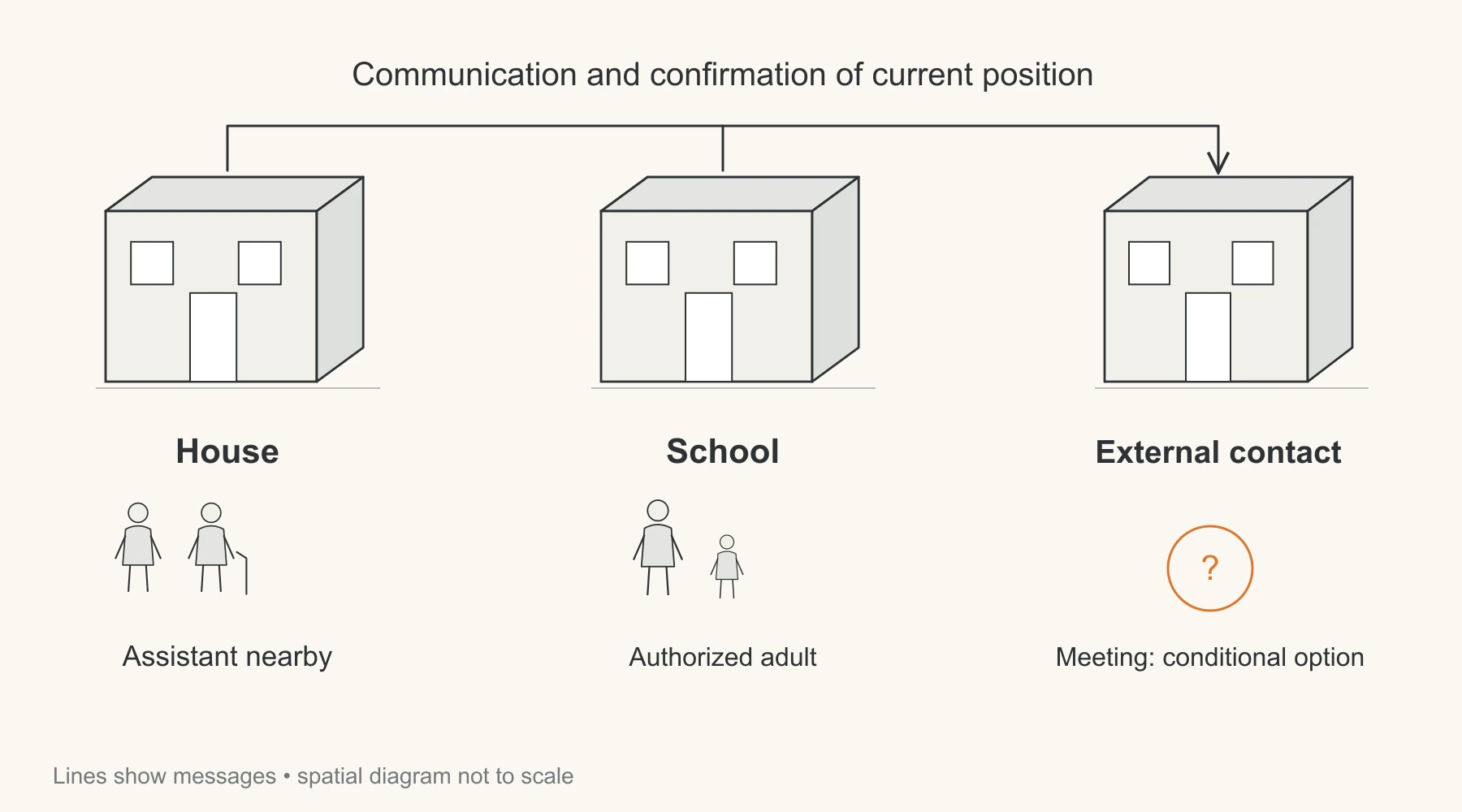
Figure 22. Family in different places: connections and individual decisions
[P] Family coordination preserves the connection between different places and takes into account the assistance of each participant. The meeting place remains a tentative option until the current situation is checked.
Each location may require a different decision. A person in a suitable building can remain there while another needs to exit a damaged one. Reunion is important, but traveling to your loved ones should not create additional danger for the entire family. If there may not be enough electricity for the required device, request medical evacuation in advance and convey factual information about the available operation of the device, without inventing a deadline.
When moving, take available documents, medications and care products without dangerous delay. Animals need a carrier or familiar means of restraint and finding out if the placement is accepting of them. [C7] Support, accessible transportation, and reserves for assistive devices are part of the Ready.gov guidelines for people with disabilities. [C8] The entire path of a person is checked, and not just the presence of a car.
If there is no answer, separate it from the conclusion about fate. The connection could be lost, the institution could change its address. Check known out-of-area contact, facility, and available tracing channel; do not send a relative to a dangerous area to search on their own. There are enough states in the family record: position is known, verification required, transferred to service. Enter the time of the last confirmation.
If communication is completely lost, the paper plan is saved. Its meeting locations yield to obvious immediate danger: no one should walk through a fire just because the agreed meeting place is beyond it. The family completes the first round of actions when everyone's situation is known and further placement and necessary assistance have been agreed upon. The unanswered question remains with the named person, who will continue the review.
Case Study: A Meeting That Had to Be Postponed
[S] Olga is with her child at school; The school confirms that children remain with staff and are released in accordance with current procedures. Dmitry left the damaged office. The grandmother is at home with a neighbor and has the necessary care. The family has two meeting addresses, but Dmitry's path to the school is closed. Communication by short messages sometimes works; The car is not available to the family.
Participants compare two reasonable desires: to get together sooner or to maintain the already available help in three places. They choose the second. Dmitry informs the school that he cannot come, Olga remains with the child, the neighbor confirms her opportunity to be with her grandmother. The cost of the decision is that the family is divided, and the time frame for reunification is unknown. What is included in the record is not the promise of an early meeting, but the following contact and the condition for changing the plan: loss of help in one of the places.
Then the neighbor says she can't stay any longer. This new circumstance changes the priority. The family makes a request for help through a known contact. There is no confirmed replacement for the neighbor yet; Dmitry is not sent through a closed area. The purpose of the meeting remains, but the immediate focus is continuity of care. During the analysis, they check who noticed this change and who received the incomplete request.
C21 First aid for recognizable consequences
Who uses it. Eyewitness and trained assistant. The doctor and rescue service follow their own procedures. The card deals with a person's recognizable condition and does not prescribe treatment for an unknown infection.
Where to start? Make sure you can help without getting into actual danger. Call for help and start an emergency call. If there is no response, assess breathing; stop severe external bleeding using an accessible, studied method. [O: A01, A02]
When to delegate a task. Tell the arriving medical professional the condition, the actions performed and their timing, changes and known exposure hazards. If access requires a special rescue, convey this request to the service without sending a random person into a dangerous environment.
An unusual cause does not replace the usual care for bleeding, burns, or lack of normal breathing. Smoke, damaged electrical equipment, collapse and unknown atmosphere may, however, make approach dangerous. Medical gloves by themselves do not change this environment. The controller needs observable signs of the location and access to the person. If assistance is already provided in a suitable place, it is not stopped just because the origin of a distant event has not yet been clarified.
This card should be studied in conjunction with a nationally recognized first aid program and practical training. The first aid kit comes with up-to-date local algorithms, an emergency number, and information about an available automated external defibrillator (AED). Pediatric resuscitation, assistance with choking, drowning and other special situations require separate training. The adult algorithm given below is not universal.
[O] IFRC Guidance 2025 links first aid to evidence, training and local context. [A07] In a family or institution, therefore, a person is needed who updates educational cards, checks expiration dates and completeness of the first aid kit. The test should show that the content is accessible, including at night, and is suitable for users and mastered by them.
The adult is unresponsive and not breathing normally
[O] Call emergency services and, if possible, turn on speakerphone. Assess breathing while the call connects. Occasional gasps are not normal breathing. If the adult is unresponsive and is not breathing normally, assume circulatory arrest and begin cardiopulmonary resuscitation; the dispatcher can help recognize the condition. If the adult is unresponsive and you are unsure whether breathing is normal, begin resuscitation. Do not wait for the call to connect before starting chest compressions. [A01]
Press the heel of your palm onto the lower half of the sternum, place the second palm on top; arms straight, shoulders above the chest. For an adult: 100–120 presses per minute, depth 5–6 cm, full expansion of the chest after pressing and a minimum of pauses. An assistant trained in artificial respiration alternates 30 presses and 2 inhalations; the untrained performs continuous pressing. [A01]
When the AED appears, turn it on, attach the electrodes to the person’s bare chest according to the drawings and follow the prompts. During analysis and discharge, no one touches the person. After the device commands, resume pressing. Continue until professional help is provided, a clear reaction (speech, purposeful movement) or normal breathing appears; also stop if it is impossible to continue due to exhaustion or a dangerous situation. If a reaction or normal breathing occurs, immediately re-evaluate the condition. Occasional gasps in themselves are not a reason to stop resuscitation. [A01, A02]
The man is unconscious but breathing normally
[O] If there are no signs of injury, use a stable position on the side: move the near arm at a right angle, support the other hand at the cheek, bend the far leg and carefully turn the person towards you, maintaining support for the head. Keep the airway open and observe breathing. If it changes, re-evaluate the need for resuscitation. [A03]
If injury is suspected, avoid unnecessary movement; priority remains for airway patency. If it is otherwise impossible to keep them open, a careful turn is performed with the most consistent position of the head and body, if possible with an assistant and instructions from the dispatcher. A person who is breathing abnormally should not remain on their side instead of initiating resuscitation. [A02, A03]
Severe external bleeding
[O] Call for help, call emergency services, and apply pressure to the source of bleeding through an available clean bandage or cloth. Maintain direct pressure. In case of life-threatening bleeding from a limb that is not stopped by pressure, use a hemostatic tourniquet according to the mastered technique and product instructions; a trained assistant can use the provided means to stop bleeding. Note the time of application of the tourniquet. Do not loosen it yourself: this is the task of a medical specialist. Observe the condition and transmit information to the arriving help. [A02]
[P] The dispatcher is informed that bleeding continues, and is not limited to the phrase “the wound has been treated.” Information about an unknown object is transmitted separately. Recording time and searching for documents is assigned to another person so as not to interrupt assistance. The card does not teach surgery, removing objects from deep wounds, or tampering with unknown damaged devices.
Thermal burn from a recognizable heat source
[O] After cessation of exposure, cool the burned area with clean, cool running water; published Red Cross material indicates a range of 5–20 minutes. Remove jewelry and loose clothing near the burn, without tearing off anything stuck to it. Do not use ice or fatty substances for initial cooling; do not burst bubbles. In large areas, make sure that the person does not become hypothermic. For waiting and transport, cover the area with a clean, non-adhesive dressing without applying pressure. [A04]
Deep or extensive burns, damage to the face and respiratory tract, electrical or chemical burns require urgent medical evaluation; The severity of pain does not prove the severity of the injury. [A04] [P] If there is unknown material on the skin, do not automatically transfer the thermal burn algorithm to remove it. Request specific guidance on the nature of the exposure, alert the receiving service and use C04. Do not select a chemical “neutralizer” yourself.
Hypothermia
[O] Cold skin, shivering, confusion, slurred speech, and slowed breathing after exposure to cold require urgent help. Move the person to an accessible shelter, carefully replace wet clothing with dry clothing, cover them, including the head, and stay nearby. Do not rub the limbs, use a hot bath or direct intense heat, or give alcohol. Warm, nonalcoholic drinks are permissible only if the person is fully awake and can swallow safely. [A05]
[P] For shelter, this is also a signal to check the conditions of other people and C20. One sick person does not prove a single mechanism of the event, but the lack of suitable clothing and heating is already an independent need. If safe relocation is not available, C15 reduces ongoing heat loss by available means and maintains the request for assistance.
Overheating with abnormal condition
[O] Confusion, convulsions, loss of consciousness, or other sudden changes due to overheating require immediate medical attention. Sweat may be present: dry skin is not a prerequisite for heat stroke. Move the person to a cooler or shaded place, remove excess outer clothing and immediately begin available cooling: wet the skin with cool water, blow it, use cold damp cloths. Stay close and observe the breath. [A06]
[P] Complex cooling methods that require special organization and control cannot be improvised alone. If an unconscious person is not breathing normally, resuscitation is necessary, not just cooling. The unsuitability of the premises for rest and care is reviewed immediately, without waiting for the nature of the external source to be clarified.
Help is still on the way
For a person who constantly needs treatment or a device, check the usual plan: own medications and prescriptions, supplies, food, storage, available medical contact. Use verifiable documents and the words of the person himself. Loss of paper requires recovery of information, but does not justify delaying emergency assistance. The layperson does not change the dose, device parameters, or method of use because of a suspicion of extraterrestrial influence.
If you are alone, begin the help you can provide and call for assistance. If there is no network, call out to people nearby; a lengthy record must not take time away from helping now. In a group, divide the work: one person helps, another contacts the service, and a third maintains access known to be safe. A trained helper uses the procedures and equipment they have learned to use. Diagnosis and treatment belong to the medical service. C15 helps organize care if that service cannot arrive, but it does not supply missing medical skills.
Send a short sequence: who was found; what they saw; how accurately the time is known; what they did; what has changed; what dangers and medical dependencies are known. The name and health information is received by the person who needs it for help. A public list is not required here. For P02 and C10, check the actual reception, especially if the person is transported between institutions. When the state changes, re-evaluate the immediate task; If there is a danger for the assistant, reconsider the situation and request special rescue.
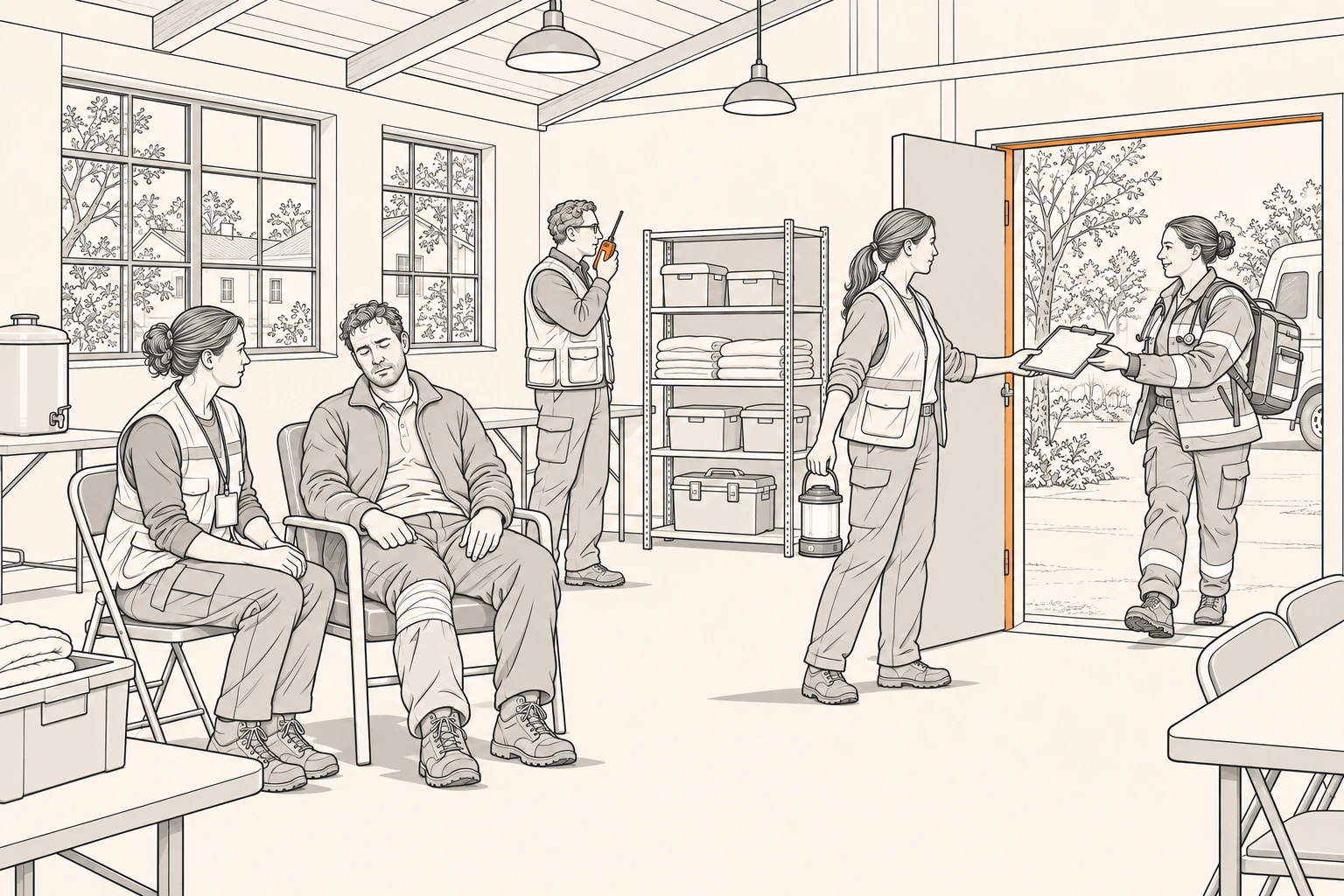
Figure 23. Help, call and free access
[P] Direct support, calls for help and free access to services are provided by different participants. The transmission reports the observed condition of the person and the known hazards of the location.
Case Study: Lights Off Assistance
[S] After an unknown outdoor event, the lights in the room go out. A man injures his hand with broken glass. One participant was trained in first aid but was tired; the other two know how to use the connection and know the way out. They have a flashlight available and a clean cloth, but the first aid kit was left behind the aisle with the damaged structure. The medical dispatcher has not responded yet. These objects and restrictions are given by the exercise; There are no additional funds.
The first option is to postpone help and get to your usual first aid kit. The second is to provide assistance they have been trained to give, using available means while continuing the call for help. The group chooses the second one. A trained assistant deals with the bleeding, another participant reports the condition and inaccessibility of the previous passage, a third illuminates the place and maintains free access. Time and documents are recorded by someone who is not involved in direct assistance. The origin of the shutdown remains a separate question.
The cost of the decision is that some of the usual equipment is not available, assistance is limited by the available skill, and the fatigue of the trained participant continues. When the connection appears, it conveys the state and the action performed; The further procedure will be clarified with the dispatcher. A new access message for an arriving service allows a third party to meet it along a known path. No one is sent through a damaged passage to complete the set. Practical skills for this case are practiced on the simulator; dangerous effects on people are not reproduced.
C04 Suspected biological or toxic effects
Who uses it. Witness, family, and care provider for unusual symptoms, multiple illnesses, or possible exposure. The medical service is responsible for assistance, the sanitary service is responsible for assessing the spread.
Where to start? Report people's conditions and circumstances. Stop contact with the suspected source in a safe and accessible way. In case of emergency, call for help immediately without waiting to find out the cause.
When to delegate a task. Refer diagnostics, special studies, restrictions and handling of the material to authorized specialists. Please advise the host facility in advance of possible exposure if conditions permit prior to arrival.
The same complaints may have different causes: infection, a common source of poisoning, poor ventilation, or several unrelated diseases. Until this is clarified, observation is more useful than a ready-made name. Record location, time, symptoms, and known exposure to material or persons. Do not declare everyone present contagious and do not prescribe a regimen based on one unusual event.
Do not take the find home, to your regular office or public transport. It is not opened, smelled or examined independently. Information about the location is transferred to a specialized service. If people are already nearby, help is organized based on their condition and known access hazards, rather than on their willingness to fill out a questionnaire.
Before arriving, notify the facility of possible exposure and follow the designated admission route. In case of serious condition, help remains a priority. Advance information and measures regarding the suspected route of transmission are provided by CDC infection control for respiratory diseases; using this procedure for an unknown incident is a design adaptation here. [C12] Transportation is agreed upon with C10 without delaying immediate rescue.
Under medical orders, limit unnecessary contact while ensuring food, medications, child care, and home safety. Otherwise, a person has to choose between the prescribed limitation and the necessary life. The family coordinator finds out who is assigned such support and how to report if it does not take place.
Do not select a medicine, filter, or purification method based on the assumption that the substance is extraterrestrial. Household cleaning and an unknown disinfectant do not confirm the elimination of the risk. Antibiotics and prophylactics are not prescribed according to the same hypothesis. Potassium iodide may protect the thyroid gland from radioactive iodine; it is taken only on the instructions of a competent service or doctor. It does not protect other organs and does not act against other radioactive substances. [C13]
The preliminary explanation is revised based on clinical and epidemiological data. A specialist understands a negative test result within the limits of what the test is capable of detecting. There is no universal isolation period for an unknown agent. In case of external contamination, the assigned local protection regime is used; when the source is inside, it is necessary to stop the internal influence.
If communication is lost, seek available emergency assistance and report the circumstances upon first contact. Do not create a forced quarantine of neighbors with your own decision. New cases, changes in condition, and study results require reconsideration. An individual or public restriction must be lifted by the appropriate responsible person based on reasonable criteria; assistance to a person continues depending on his condition. Symptoms, possible contact and actions performed are passed on to the next person responsible without unauthorized diagnosis.
C17 Missing, dead and contact with relatives
Who uses it. The family, the person taking reports of missing persons, and the designated search officer. The case must have a responsible and accessible deputy; special procedures are performed by an authorized service.
Where to start? Save your family's last confirmed location and secure contact. Separate the lack of communication, non-arrival and the message of possible death. If the condition of a living person is unclear, available medical care is the first choice.
When to delegate a task. Search, determination of death, identification and official notification may require different executors. Specify the recipient of each stage and convey to him the available information with its origin, maintaining contact with the family.
When a loved one does not respond, it is difficult for a person to withstand uncertainty. The organizer helps by naming what is known and the next step. A lack of response, a still image, or the story of an unknown witness does not establish death. Promising a successful outcome without information also does not provide support for the family.
[O] Guidance from the ICRC, WHO, PAHO and IFRC links the dignified treatment of the dead to documentation, subsequent identification and the needs of relatives. [V04] Here these principles are applied to working with information. The Known Disaster Document does not support the safety of contact with remains following an unknown exposure.
What to write down and what to check
When creating a case, find out who is reporting the absence, how to safely contact them, who they are looking for, and where the person was reliably seen. Separately record the time of the event and the time the message was received. Personal information is collected for a specific verification; in the open journal, the case number and work status are sufficient. Medical, family and identification information is held by authorized recipients.
It is useful to distinguish six states: no connection established; the person did not arrive at the recipient; location confirmed; an unverified death message was received; death confirmed by a competent person, identity not yet established; identity and death were confirmed in accordance with the established procedure. These are working designations of the log and not a replacement for official documents. When changing a record, keep the same state, reason, and author of the change.
Check the route from departure to reception, including changes in transport or institution. The response must come from a person who sees the recording of the reception or can confirm presence. Multiple copies of the same list remain a single source. The coincidence of surnames is not enough to merge cases: this can mistakenly stop the search for another person.
The witness preserves existing reports and observations, including location and time. They are not sent back for a photograph or a personal belonging. A discovery of remains is reported to the competent service, together with the known hazards of the location. Residents must not open or dissect remains, take samples, or attempt identification through contact with potentially hazardous material. A resemblance in appearance or a found belonging requires verification.
How to stay connected with your family
The family receives one clear contact: the name or role of the person responsible, the last confirmed circumstance, the unresolved issue and the next request. Agree on your next communication on real opportunities. It can take place without new information; It is better to explain this in advance than to force people to start the search for someone responsible all over again. The new shift also makes promises to the family.
Before disclosing a child's address, diagnosis or contact, check the basis for the transfer. Kinship, traveling together and knowing a name do not automatically give you the right to this information. The consent of the found adult, his condition and protection responsibilities are taken into account. If there is a risk of violence, C18 is applied. Sometimes it is enough to convey to the person found a request to contact the applicant through a secure channel, without revealing the location to the applicant. The reason for this restriction is not explained to the public with details of family life.
The difficult news is communicated by the service provided for this purpose or by a trained person in charge - privately, in understandable words, without the promise of completed identification before its end. The person is offered support and next contact; do not require all further decisions to be made immediately. Confirmation of death, identity, paperwork and notification are noted separately so that the unfinished stage does not disappear from the file.
Verify paid promises of information, release, or urgent identity verification through an independently known contact of the organization. The number or link of the person requesting it cannot be the only confirmation. Save suspicious handling for competent transfer. Help is not contingent on the family's consent to publish a photograph, story of the loss, or medical details.
If professional service is not available, the team supports survivors and families, maintains existing knowledge, and prevents accidental approach to dangerous locations within the limits of capabilities. The request remains open. The absence of a person responsible does not make dangerous work suitable for a volunteer. Trained local services, already in place with powers and procedures, continue to operate within their boundaries.
A discrepancy in data, a new move, a threat to family, a disclosure error, or an unreliable source requires reconsideration. The controversial list is no longer disseminated as reliable; the correction is sent to the previous recipients. Once a person is located, the issues of transport, care and accommodation are dealt with separately. After a confirmed death, there may be a child or dependent adult who needs help. These tasks receive their own performers. Participants do not establish their own rules of inheritance, recognition of death and disposal of property.
Case Study: Incorrect Death Report
[S] Sergey L. did not arrive for the meeting. There is a record of departure, but no confirmation of receipt. A photo appears online with a message about the deceased with the same initials; source unknown. The employee managed to send it to the family. The official missing-person search system is not available, but Anna, assigned to liaise with the family, can contact two known accommodation centers.
The search can be stopped on the strength of the photograph, or the reported movement can be checked further while acknowledging the harm caused by the mistake. Anna chooses the second course: she tells the family that the earlier information has not been confirmed, keeps the image separate, and asks the reception points whether the person actually arrived. The cost is severe uncertainty for the family, and the correction does not restore the trust already lost. Until a reply arrives, she cannot promise that Sergei is alive.
The second point confirms the presence of a living Sergei. After the required verification of relationship and agreement on secure communication, the contact is transferred. The search for Sergei changes the state, but the origin of the photograph and the fate of the person depicted remain a separate question. If there were other names on the forwarded list, confirming one person does not make the others alive or dead. The next shift receives these open cases and information about families who still need correction.
C16 Practical support and team performance
Who uses it. An available trained assistant, shift supervisor, and deputy shift supervisor when anxiety, confusion, overload, or fatigue interferes with getting help or performing the job.
Where to start? Check immediate safety, ask about immediate need, and suggest one clear action. Remove unnecessary requirements; Find out which important task the person can no longer reliably continue.
When to delegate a task. An emergency, an immediate threat to oneself or others, a sharp deterioration and the inability to maintain care require urgent attention to the appropriate specialists. The work task is handed over before a dangerous error occurs.
The assistant should not attribute unusual evidence to a mental state. Impaired consciousness, sudden changes in condition and complaints after the event are transferred to a medical specialist along with the circumstances. The card does not make a diagnosis or require a person to discuss their experiences in order to access food, accommodation or support.
[O] WHO guidelines on psychological first aid describe humane, practical support after a severe crisis that respects a person's dignity, culture and capabilities. It does not mandate a psychological interview for every victim. [V01] NIOSH links fatigue to risks to attention, responsiveness, memory, and decisions; Archival material for emergency response suggests incorporating fatigue reporting, breaks, substitutions, and load reduction. These principles do not lead to a single shift schedule for every threat. [V02; V03]
Conversation that helps you take action
Introduce yourself and name the help available. Ask what is needed now: fluids, personal care, bonding with your child, access to prescribed treatment. Let us choose a convenient method of communication and invite a trusted person if it is safe. A complex story is not a necessary price for a simple assignment.
The next action must have a location and an available helper. If the person does not understand, change the words, provide a clear reference point, or find a suitable companion. Test understanding without an exam or public comment. Attendance at the general meeting does not mean that the order has become clear.
Find out who you can inform about the person's situation. If there is danger from a loved one, use C18; The address is not disclosed automatically. Refusal to talk does not mean refusal of other services. Don't promise it's over when you don't know it. If it worsens, stop the unnecessary argument, maintain a safe presence and arrange the transfer; anti-anxiety drugs and homemade human authentication checks are not included.
The shift must have the opportunity to rest
The manager finds out who actually makes decisions, responds to families, keeps records, and performs work that requires constant attention. If these responsibilities are concentrated in one person, reduce unnecessary work and redistribute tasks. Recording fatigue should change something in the load.
The participant may report that they are no longer coping prior to the incident. Passing requires a current action, pending promises, and a stop condition. If there is no equivalent replacement, reduce the volume to what is feasible and request support. The position of deputy in itself does not create skill. If possible, a significant decision is checked by another participant who has information and can object; a second signature of the same overloaded person under a different role does not provide this.
The person on a rest break must have a recipient for regular messages. He is not called for every clarification that the shift may decide; for an urgent call, the basis is determined in advance. Life outside of work is also taken into account: an employee can take care of his family instead of relaxing. An available support contact is maintained and new responsibilities are not assigned silently via a personal phone number.
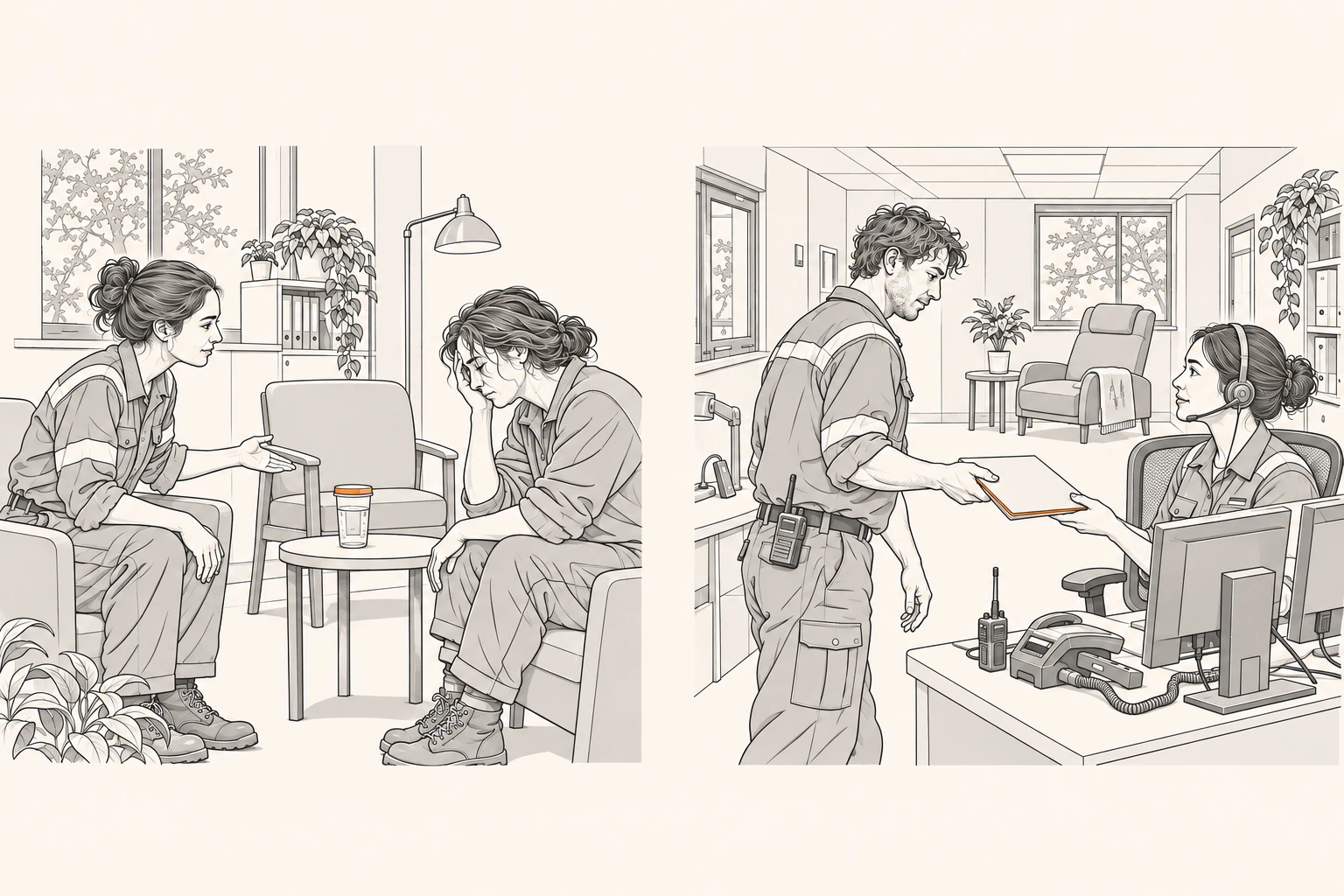
Figure 24. Practical support and protected rest
[P] Practical support begins with the nearest understandable task. Rest becomes possible after handing over the work and routine messages to the assigned reliever.
Review is needed when the condition worsens, unsafe behavior occurs, repeated errors occur, loss of a helper occurs, or a change in task occurs. A person does not lose services because of a temporary inability to work. Completion here is visible in a specific result: help is received or accepted by the named provider, the work task is transferred, rest is actually available. If there is no connection with specialists, the group maintains a clear routine and available support; a confident tone or an odd story is no substitute for clinical judgment.
Case Study: A Leader Who Needs to Stop
[S] The duty officer has twice sent a request to an address that is no longer in use and says he is mixing up the procedure. He also reports an unusual observation. A deputy on site knows the current requests but cannot both respond to families and take over all coordination. There is no information about the cause of the duty officer's condition.
It is convenient to keep him at work: he knows more than others. It is difficult to transfer control: some tasks will remain without a person responsible. The team selects the transfer, cancels the optional summary report, separately assigns an available contact to his family and arranges assistance and protected rest. Price - information for a general overview will appear later, and applications that depended on an erroneous address have yet to be verified. The person on duty himself is not forced to correct them instead of resting.
An independent recording later confirms the unusual observation he described. It is transmitted via S05 and continues to be investigated. This does not cancel the detected operational errors and the need for rest. The scenario teaches you to separate the reliability of a particular piece of evidence and the ability to now bear the entire load. The cause of the condition is not assigned based on the results of the exercise.
C15 When there is no ready-made plan and no external help
Who uses it. One person, family, random group, remote settlement or shift, if usual help is not available or the plan requires absent people and funds.
Where to start? Determine who is nearby and who needs help. Write down what works in an accessible place. Select the nearest feasible task, distribute care, supervision and communication, and stop unnecessary workload.
When to delegate a task. Transfer special rescue, medical or engineering work when contact and service capabilities are confirmed. Until then, keep help available and explicitly note what the group cannot provide.
A broken phone does not mean that help is not available everywhere. A closed route does not confirm the suitability of the others. Start with the observable: last contact made, people present, accessible parts of the building, status of known exits. Fire, injury, and other recognizable immediate dangers retain their own emergency procedures. The full picture is not a precondition for rescue.
The institution has a designated replacement system. In a random group, participants agree on who will connect the nearest tasks and who will replace him. Such an agreement does not give the right to force others. The person names his ability, consent to help and available means. One declared profession does not confirm the ability to perform any job.
1. Conduct a short roll call of needs. Who is nearby; who separately; whose position is not confirmed? Who needs an accompaniment, communication, assigned care or assistance with mobility? Do not require a diagnosis to be publicly reported and do not send an untrained person to look for missing persons in a dangerous place.
2. Draw a simple map of the available space. List suitable space, known water, food, sanitation, light, communications, personal devices, and recreational opportunities. For each entry, put: works, works with restrictions, not verified, unavailable. Items are counted along with the assignment; Two batteries without confirmed compatibility do not become a reserve for the device.
3. Select the closest target. It must be observable: maintain current care, transfer one complete request, ensure the delivery of a verified resource, or move to an already available usable part. Note which tasks will lose meaning with the next delay and which ones can be completed at the same time.
4. Separate three areas of work: people and assistance; changes in location; messages and requests. If the composition is small, they are combined, reducing the promised volume. One person chooses a sequence and notes what they do not observe at that time. Observation from an accessible position does not mean reconnaissance of an unknown passage or substance.
5. Free up time for what you need. You can postpone a detailed chronicle, re-sending the same information and an unnecessary trip. Don’t turn off someone else’s life support under the guise of saving money. Dangerous equipment is replaced only according to a known procedure within the scope of competence. The freed assistant receives the necessary task or rest.
6. Write down the condition for changing the plan. Deterioration of condition, loss of function, change of premises, confirmed assistance or new credible risk require immediate review. The next reconciliation is selected based on the current dynamics; her time is not declared a safe waiting period.
With several imperfect options, compare the benefit, the immediate possible harm, the necessary condition and the sign of failure. The suitability of the current location may justify the expectation; the loss of a desired function requires a new decision and a request for rescue. But the absence of a proven path does not turn into a command to go into the unknown. If no option meets an important need, name the gap directly.
Maintain accessible ways to be found for the location. The situation message is left where it does not reveal vulnerable people to outsiders. Communication attempts are correlated with the actual power supply of the devices and changes in the environment. A person is not sent through an unknown area with just a note. When a channel appears, convey the location, the number of people, the help needed, the limit of your capabilities and the available method of reception.
An ordinary participant helps in a familiar, mastered way. A local specialist evaluates his system; the absence of colleagues does not make him an expert in everything. You cannot turn an untested manipulation into a reliable reserve by simply calling the situation hopeless. At the same time, lack of authority does not require stopping the usual available assistance. Stop a specific activity if it creates a new immediate danger, lacks a necessary condition, or leaves a person unaccompanied.
The short entry for the next participant contains four answers: what we are doing, who is doing it, what we have, and what change would require stopping. There are still open questions: a specialist is needed; the path is not confirmed; the necessary help is unavailable. Signal restoration alone does not complete the card. We need actual transfer of aid or sustainable local support for C13 and C19.
Case study IG-04: the passage no longer leads to the previous recipient
[S] There are six people in the accessible room; It's hard to move alone. The required current functions are stored here. The usual exit is closed, the other passage has not been checked, the reception of the request by the service has not yet been confirmed. Maria helps a person when moving, Pavel knows how to work with the existing means of communication, Oleg knows the accessible part of the room. There is no transport, new equipment or immediate access to a specialist in the exercise conditions.
The scenario uses the second model S13: the connection between two recognizable places has actually changed. The previous passage no longer leads to the expected reception point. It does not follow from this that all the rooms and roads have changed. At first, participants only know that the exit is closed and that there is no response; they should not guess the unusual property.
One participant suggests checking an unfamiliar passage, the other suggests stopping actions completely until ordered. The group chooses to maintain care and seek communication from an accessible location. Maria stays with the person in need, Pavel conveys the request, Oleg notes the changes; Optional processing of video recordings has been discontinued. Rest is distributed along with work. Cost - there is no way to a confirmed recipient yet, and help with possible deterioration remains unresolved.
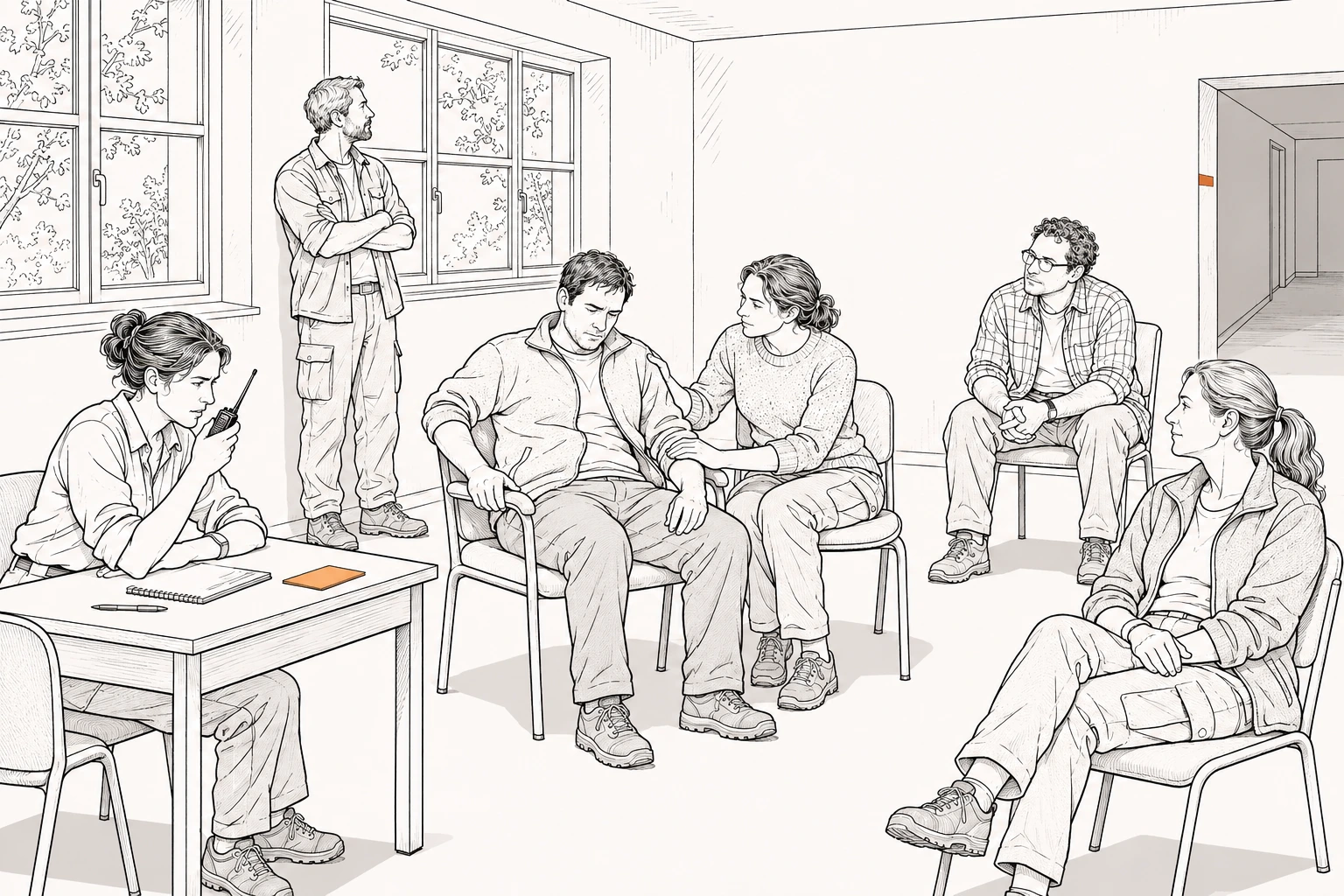
Figure 25. Isolated group: three areas of accessible work
[S] In the example IG-04, six people distribute support, communication attempts and surveillance of the accessible part of the room. An unconfirmed passage remains outside the group's actions, and rest preserves the possibility of further assistance.
Later, a message appears from another shift: the group that passed this transition earlier ended up in another known room; its presence there was confirmed, but the expected receiving point had not received it. The facilitator confirms that this is a specified property of the exercise and not a naming error. Now the previous address cannot be used as a transfer target. Pavel corrects the request: we need a path to a specific confirmed recipient, and not permission to go in the same direction. No one is sent to repeat the transition for the sake of verification.
The room remains usable under known current conditions, so the immediate action is saved. The basis for further movement changes: the old transfer card is no longer valid. If the person's condition worsens or the room loses its desired function, a new review will be required; the script does not promise that the wait will always end in rescue. During the analysis, feasible assistance and an honestly saved gap are counted, and not fictitious transport or unknown qualifications.
A place to stay and a route to the next place
A shelter is a room in which people manage to maintain the necessary conditions in a given environment. The sign is not responsible for air, maintenance, sanitary access and accessible exit. During a long-term deployment, these conditions change: people arrive, consumables run out, and the shift gets tired. Therefore, the choice of location and its day-to-day operation are considered separately.
Not every movement is a planned transport. It may be necessary to leave the immediately dangerous area immediately while the organizers are simultaneously looking for further reception. A prepared trip, on the other hand, requires a known recipient and an understanding of transportation options. The book distinguishes between these cases so that recordkeeping does not delay the rescue and so that the dispatched machine does not leave people without the next step.
C03 Home and Shelter: Suitability Test
Who uses it. Occupants and designated manager of a home, shelter, or temporary facility. His deputy needs means of communication and information about the limitations of the location.
Where to start? Check people, known hazards, accessible exits, air, water, temperature, sanitation, and necessary facilities. Name the nearest significant failure and a realistic fallback option.
When to delegate a task. Technical suitability and changes to systems are assessed by competent personnel. If the assistance you need here is no longer available, please arrange a transfer at C10; if there is no help and a confirmed location, use C15.
Before you stay or receive people, find out what normal exposures the premises are suitable for. Check the condition of structures and fire exits within safe access, internal sources of contamination, and the ability to use the site with limited mobility. Independent inspection of the damaged part of the building is not included in this inspection.
Ask who needs electricity, assistance, communication, water for care, or special meals. Medical information is not posted on a common wall. The number of people is important, but the same group in size may require completely different assistance. The available resource is taken into account with the actual balance and purpose; The calculation of operating time is accompanied by assumptions about flow rates and consumers.
The building mode is selected for the identified hazard. General house ventilation and medical systems are changed by responsible specialists. Unauthorized closure of all air channels for an indefinite period is not universal protection. If contaminated clothing or belongings of arrivals are possible, the reception procedure is determined by the services; Residents are not instructed to clean up an unfamiliar substance or navigate an unknown area on their own.
People need to know the reason for staying, restrictions, how to report feeling unwell and the next review. Every critical resource needs an observer who actually has access to the information. Duties are distributed so that those in charge can sleep. Detailed daily work is described by C20, supplies - C12 and C13.
Some conventional remedies have strict limits. An anti-aerosol respirator does not protect against gases and vapors; The filter medium does not create oxygen and does not make oxygen-deficient environments suitable. The choice of protection depends on the known exposure. [C9, C10] Do not run a generator or internal combustion engine inside a home or garage: an open door will not eliminate the carbon monoxide hazard. [C11]
Fire, hazardous damage, entry of contamination, and loss of life-saving care require immediate review. This is not necessarily a general exit to the street: an accessible usable part of the building or another action of the emergency plan is possible. If there is immediate danger internally, the appropriate movement shall not be delayed until external permission is given. Let people know what condition has changed and what action is available now.
Without communication, the manager continues internal surveillance and uses agreed upon backup channels. Random people are not sent on reconnaissance missions. After changing the number of residents, resource, building or service instructions, the reconciliation is repeated. The stay ends with an organized transfer or reasonable permission to end the shelter; the state of people, systems and assistance not yet provided is transferred to the next person in charge. One check mark to close the premises does not complete these tasks.
C20 Daily shelter operation
Who uses it. Accommodation manager, duty shift, those responsible for routine services and residents reporting changes. Technical and medical decisions remain with the relevant specialists.
Where to start? Accept information about people and open requests. Walk through available service locations, check for known signs of work, and find out who is not actually receiving help.
When to delegate a task. A failure that the duty officer cannot resolve with an authorized action is transferred to the system owner or service. Imminent danger triggers emergency action immediately, without waiting for the log to be filled.
The change takes on the real situation. People may have arrived since the last report; someone is not able to reach the announcement, issue or bathroom. For each required service, indicate the person responsible for it, the observable signs of the performance, the local procedure, the authorized action of a normal assistant, and the basis for the technical call. The short record should also show the reserve, the stopping condition and the next test.
Use figures from the applicable site requirements, equipment specifications, and people's needs. If that information is unavailable, the condition remains unconfirmed; the duty officer asks the specialist responsible for the system. A normal reading applies only to the measured quantity and the conditions of the check. By itself, it neither explains every symptom nor certifies protection against an unknown effect.
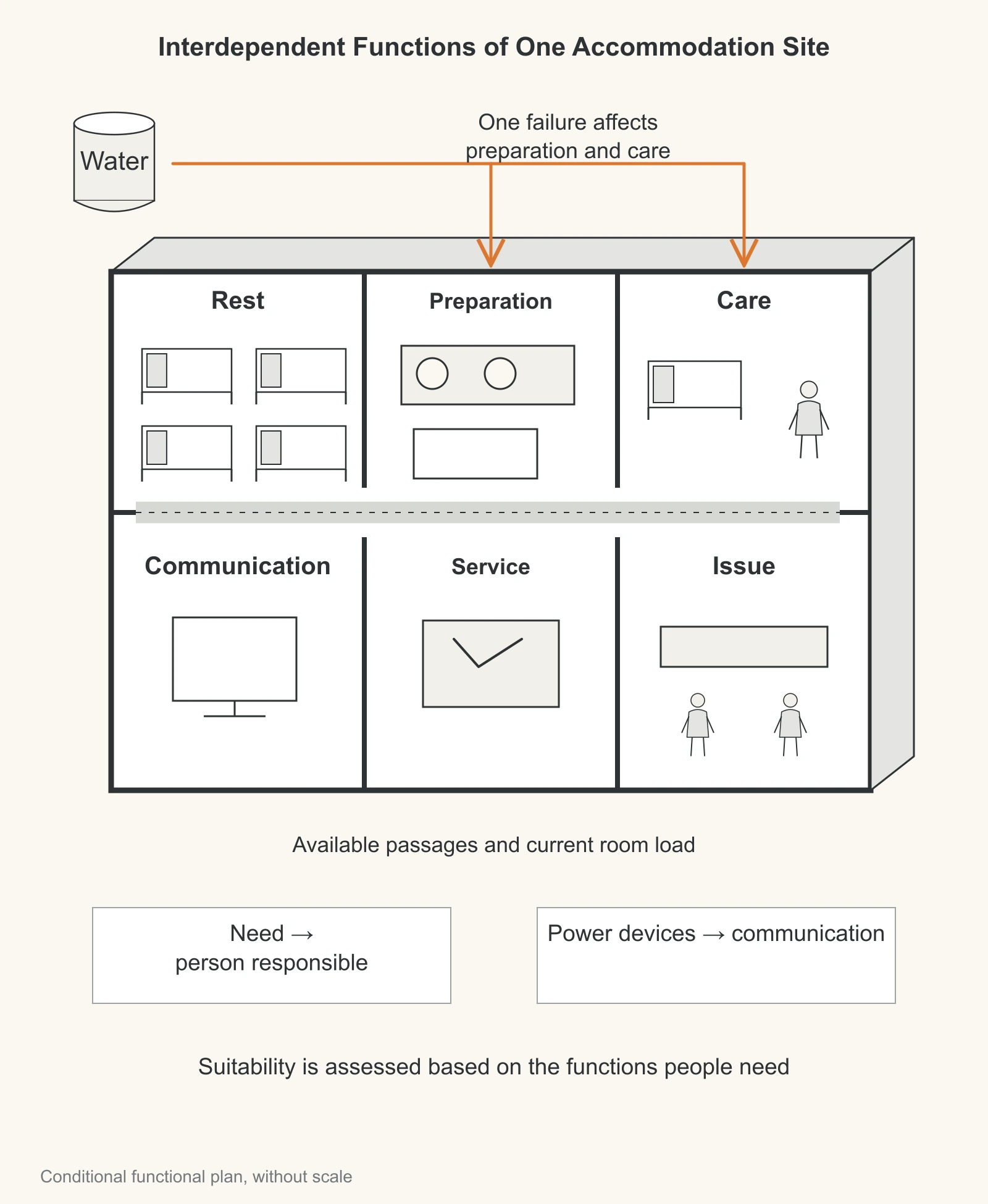
Figure 26. Shelter as a system of interdependent functions
[P] The suitability of a shelter depends on its functions working together. A local water failure affects specific needs, and the required actions and responsibilities are specified separately.
Air, heat and equipment operation
Observe known systems status, intended alarms, and operator messages. The device is used by a person who knows how to work with it and understand the limits of the result. The unusual reading is stored with location and conditions; the usual does not apply to substances and effects that the device does not detect. Residents report changes in health, odor, noise and disruption. Individually, these signs do not establish a cause, but require attention.
An ordinary participant does not clutter the elements of the system and reports a failure. Changing ventilation, connecting loads and repairs are carried out according to the current procedure by a competent contractor. When in doubt, both an assessment of the people’s condition and an inspection of the building are needed. The backup option is described in detail: what suitable premises are available, who is hosting there, what known route can be used to get there and who needs escort.
For heat and cold, the operation of the provided equipment, clothing and individual needs are taken into account. The same temperature in the room does not mean the same condition for everyone. Users apply the products intended for the site within the instructions. When available heating or cooling is insufficient, targeted assistance is assigned and a suitable location is sought; The presence of a device on the list does not close the failure. The temporary decision is checked for consequences on fire safety and other necessary equipment.
[O] Carbon monoxide is colorless and odorless. The CDC prohibits using a portable generator inside a home or garage, even with windows and doors open, or heating a home with a gas oven. [C11] An unknown external threat does not remove this known danger.
Sanitation, waste and daily care
Check that sanitary facilities are operational and can be used by current residents. Routine hygiene products, privacy, assistance to those in need, and efficient waste collection are required. Cleaning must have a person responsible, suitable means and storage space. The duty officer clarifies what residents do themselves and where an assistant is needed.
Household waste and material with unknown hazards require different handling. The suspicious substance is not included in the general cleaning and is not assigned to a random volunteer. The products are used for their intended purpose, without impromptu mixing. The failed sanitary site is designated as unavailable, an alternative is announced, and its suitability for specific people is checked. If there is no alternative, it is the immediate problem of accommodation, not the fault of the residents.
Needs for menstrual, incontinence, child care and personal hygiene products are accepted without public diagnosis or explanation before the queue. Whenever possible, the person’s choice, privacy, and familiar safe routine are preserved. An ordinary assistant acts with the consent of the recipient within the limits of skill; Treatments and special procedures are not included here. If the usual assistant is absent, an available replacement with clear boundaries is appointed or the unmet need is transferred. The silence of a person who has difficulty communicating is not a substitute for reaching out to him.
Food and distribution
The person in charge knows the suitable batches, storage conditions, quantities issued and those who need a different method of receipt. C12 helps to distinguish between the purpose of water and the state of food supplies. The prepared food must reach a person who is unable to stand in line. Assigned care assistance is agreed upon separately from the general nutrition list.
Check the container, intended preparation area, suitable water and waste collection. The unidentified batch is kept separately in recordkeeping; the queue does not make it suitable. Reserve - an available suitable resource or another order of distribution already in operation. The expected delivery will become stock upon receipt. In the event of a breakdown, people are informed that it is known how temporary assistance is organized and when the next contact will be.
Capacity, exits and accessibility
Capacity is determined by applicable requirements and the combination of exits, sanitation, rest, care, and mobility assistance. Dividing the area by an invented norm does not replace this. The new group changes the load; sometimes it is changed by the needs of the previous inhabitants, even if the total number remains the same.
When receiving people, find out which services can handle the extra work. If you need to limit further placement, inform the coordinator what has been exhausted and seek a confirmed receiving arrangement. People who are already nearby cannot be left without available immediate help due to the lack of a line in the plan. Don't hide the overflow by moving it to an untested room.
In a safely accessible area, check passages, clear signage, known means of warning, and assistance with exit. The new arrangement of things should not block the agreed path. The technical condition of structures is assessed by the relevant contractor; the duty officer does not examine the dangerous part. A person who can't hear an announcement, can't see a sign, or can't walk on his own needs a working method of communication and an assistant.
Any decision on one service is compared with the others. Moving increases the load of the adjacent room; water restriction changes care; the shutdown affects a personal device. The person in charge names the remaining need and its recipient. If the location no longer provides what is needed, a transfer will be arranged via C10 and available support via C15 prior to the transfer.
If external communication is lost, the shift maintains a local record and maintains the available call order. The new duty officer accepts the number of people, essential needs without unnecessary personal data, technical limitations and open requests. Review is required when there is a change, new arrivals, complaints, a failure or information about a threat. It is the unsuitable service or dangerous action that is stopped; The further treatment of the place is decided based on the actual consequences.
Case study U-08: normal indicator and new needs
[S] A new group has arrived at the shelter. Passages are still available, but two people need food to be brought to them on site; The previous order is designed only for the queue. One sanitary station failed. A shift consists of four workers; two are able to help with ordinary household tasks; neither of them has the right to repair the system. Another sanitary station is operational, but its availability for arrivals has not yet been verified.
You can continue admitting people as usual, relying on available places, or limit further workload and redistribute work. The shift chooses the latter: two assistants deliver food on site, an optional report is postponed, and the existing sanitation station is checked for accessibility. The technical request has been accepted by the owner of the facility, no restoration time has been given. Cost - fewer people can be admitted subsequently, some of the usual reporting will be delayed.
Several residents then report feeling unwell, although the panel shows normal conditions. Now household redistribution is not enough. One of the remaining workers calls for medical assistance and relays the location and sequence of complaints; the other contacts the person responsible for the technical system. The record of normal operation of the equipment is supplemented by the requirement for inspection based on complaints. The suitability of further placement now remains an open question. Neither a normal indicator nor an unknown external cause provides a ready explanation. The next shift receives a technical request and the names of those whose assistance depends on the temporary organization.
Case Study: You Need to Come Out of Hiding
[S] There are 74 people in the sports building. Among them are a family with a child, a person in a wheelchair and two whose assigned assistance depends on the equipment. There is an on-call shift, a trained mobility assistant, and a medical professional. There is another center in the city, but its capabilities for individual assistance have not yet been tested. Relevant services have restricted access to part of the outdoor area after an unknown event; a new report of danger near the building itself has not yet been confirmed. The numbers indicate exercise conditions, not capacity limits.
On the second shift, smoke was noticed in the technical area. Two options have a cost: waiting for general permission leaves people close to observable internal danger; exit requires immediate organization of escort and further accommodation in the event of incomplete information from the outside. The manager carries out the emergency actions provided for the building and calls for help. People are helped to exit via an accessible, safe route based on the actual situation; the external message is urgently clarified in parallel. The available list is taken without delay of rescue.
After evacuation, 72 people are accounted for. The two could have stayed inside or left earlier: neither version can be accepted for convenience. Rescuers are immediately given the number of unaccounted for and the latest known information. Untrained workers do not return to a dangerous building. The check reveals a previous transfer of the two to medical services, missed during a shift. Acknowledgment changes the search task; The need and procedure for searching inside are determined by professional rescuers.
Next, the new center confirms the reception of 71 out of 72 who came out with their needs. For one person, the help they need is not available there. This is a new decision boundary: the main group can be transferred, but a separate medical task remains for it with a named responsible person. The outcome is not declared completely successful until this assistance is confirmed. During the analysis, the temporary departure mark is corrected, the shift is transferred and the individual conditions of admission are checked.
C10 Moving with confirmed reception
Who uses it. The transport organizer, dispatcher, driver and receiving shift after the initial release of people from immediate danger. Medical conditions are determined by the appropriate specialist.
Where to start? State the reason for the trip, the people and the required accompaniment. Check the route, transportation options, and the location's readiness to accommodate this group now.
When to delegate a task. The receiving employee confirms the actual arrival and assistance. If an address or route is lost, the dispatcher retains responsibility for those already sent and arranges for another available decision.
Prepared transportation begins with the question of what can no longer be provided locally. The reason may be a protective decision of the service, loss of water or necessary care. If the building is already immediately dangerous, emergency rescue movement is carried out according to the situation; coordination of long-range reception proceeds in parallel. The card does not create an obligation to wait for a bus in a burning building.
Help for people without personal transport, available cars, spare seats and their limitations will be agreed upon in advance. Teamwork between sending and receiving areas, individual needs, and resource coordination are part of FEMA's approach to evacuation and sheltering. Here, on this basis, transmission is proposed that persists across changes in route and exposure. [NC1]
1. Form a group based on help, not just on address. Consider children, chaperones, mobility, modes of communication, devices and animals. Don't separate the right pair of person and helper for the convenience of the list.
2. Obtain confirmation that the receiving party will accept the group. We need a valid entrance, shift contact, available services, restrictions and the number of people we are ready to accept now. Indicate the confirmation time: the previous agreement may have become outdated. Refusal opens the search for another decision, rather than closing the need.
3. Check transport for specific passengers. Boarding, disembarking, device space, and travel assistance may limit the use of a free seat. The power supply for medical equipment and transportation conditions are assessed by trained specialists.
4. Check the path through the responsible services. Record the direction, known constraints, how to obtain the change, and available fallback order. The passenger or occasional driver is not tasked with investigating unknown contamination. Information about the possible impact is transmitted to the recipients before arrival to the required extent.
5. Check the actual boarding and escort. Tell passengers their destination, what to do if they change their route, and how to ask for help. Mark the reported person who did not go and the one who is now responsible for him. Urgent assistance will not be held until all fields are filled out.
6. Complete the handover with the recipient's response. He checks arrivals, notes urgent needs and informs the sender that they have been received. Inconsistencies in the lists and help that is not yet available are given to a specific person responsible.
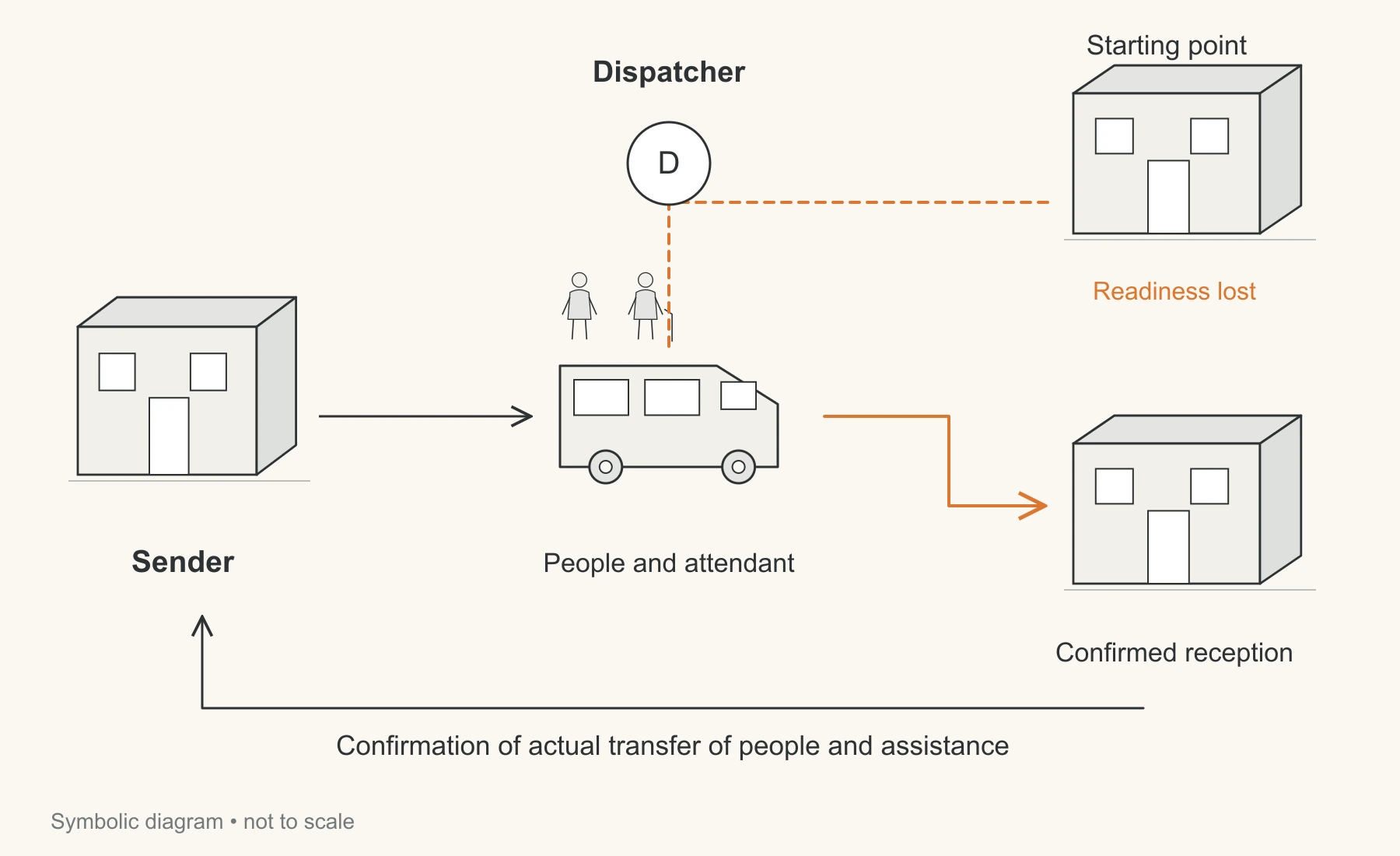
Figure 27. The movement ends with a confirmed reception
[P] A change in receiving capacity requires a new negotiation between the route and the recipient. The transfer ends with confirmation of the actual reception of people and the necessary assistance.
When a point is closed, the dispatcher stops new directions there and analyzes the position of those already on the way separately. The driver does not drop people off in a dangerous place because the address has disappeared. In case of immediate danger, transport emergency procedures are in place. When there is no communication, a pre-agreed backup order is used if the situation allows. The loss of the channel does not allow driving through a clearly dangerous area; the sender keeps the task open, the receiver keeps paper records until the message is restored.
Suspicion of contamination requires appropriate organization of reception, but does not justify refusal of urgent assistance. Self-cleaning of vehicles with an unknown means does not certify its suitability. If a person refuses a planned trip, identify the specific obstacle and available support; the right to coerce does not arise from this card.
Compare those who departed, those who arrived, those who refused, and those with whom contact was lost. Information is passed on to relatives taking into account the consent and protection of people, without a public list of diagnoses. The plan is revised if the route, transport, receiving location is lost, medical needs change, or recordkeeping discrepancies occur. The transport part may be completed before other tasks, but the person must be accepted with the necessary support or remain with the named person responsible for a new rescue task.
Case Study: Two Buses and a Closed Point
[S] Two buses each transport 40 residents. Before departure, the point confirmed reception, but after departure, damage to communications was discovered in the building and it was closed. The old screenshot continues to direct people there. There is a connection with the first driver, but temporarily no connection with the second. In the original plan, both know the backup order of stopping at an accessible location if the address is lost; This place is not intended for long-term accommodation. There is a connection with one more center, its reception capacity remains to be clarified. There is no additional transport in the exercise.
You can send both cars to a closed building for a single meeting place, or you can stop new departures and decide the fate of each group separately. The dispatcher chooses the second option. The person responsible for the notification cancels the previous address in the channels used. The alternative center confirms assistance to only forty people, and the first bus receives a feasible direction. This technique does not automatically extend to the second one.
The cost of the decision is that the group is divided, some people do not yet have a place to stay for the night, and incomplete information about the second bus is retained. He is not recorded as having arrived and the driver is not relieved of responsibility for the passengers. The last confirmed position, list of people and medical requests remain with the dispatcher. A closed point, if possible, informs those who still come according to the old version about the change in order.
Later, the second driver gets in touch: he completed a backup stop, all forty are with him, but further waiting requires help, which is not available on site. Now the problem is known more precisely. The dispatcher communicates specific needs and requests another receiving arrangement; does not direct the vehicle to the first center beyond the confirmed capacity. The exercise ends with the first group accepted and the second task open. During the analysis, both results are assessed, and not just the number of people evacuated.
C11 Accommodation center and different needs of people
Who uses it. Center Manager, host shift, care staff and residents checking the availability of the proposed site. The deputy needs information about people and contacts of services.
Where to start? Find out which services actually work, how the person will use them, and who to report the problem to. Walk with him or an accompanying person from arrival to the necessary places.
When to delegate a task. Medical needs that the center does not provide are transferred to the appropriate service; transfer is organized by C10. Threat or abuse requires separate secure treatment under C18.
Placement consists of many daily activities. Is there an accessible entrance? Can a person get to water, a place to sleep, food, a bathroom and an exit? Will he receive the message in a convenient way? ADA.gov materials consider shelter accessibility to be broader than the availability of entry, including services and communication. This is the American legal framework; The practical principle applies here and local requirements are specified separately. [NC3]
Before opening, the manager announces the operating services, restrictions and those responsible for the missing ones. The number of places is associated with these conditions. If the planned center is not yet ready, people need an accessible, assisted temporary decision; empty floor space is no substitute for such assistance.
At the reception, ask what is needed today, how it is convenient to communicate and who usually helps. Do not demand that the diagnosis be publicly disclosed. Urgent protection and referral to a medical professional do not depend on a complete set of documents. The employee checks the actual path of using the service together with the person. When moving furniture, he must take into account the others so that the removed obstacle does not appear in the neighbor's house.
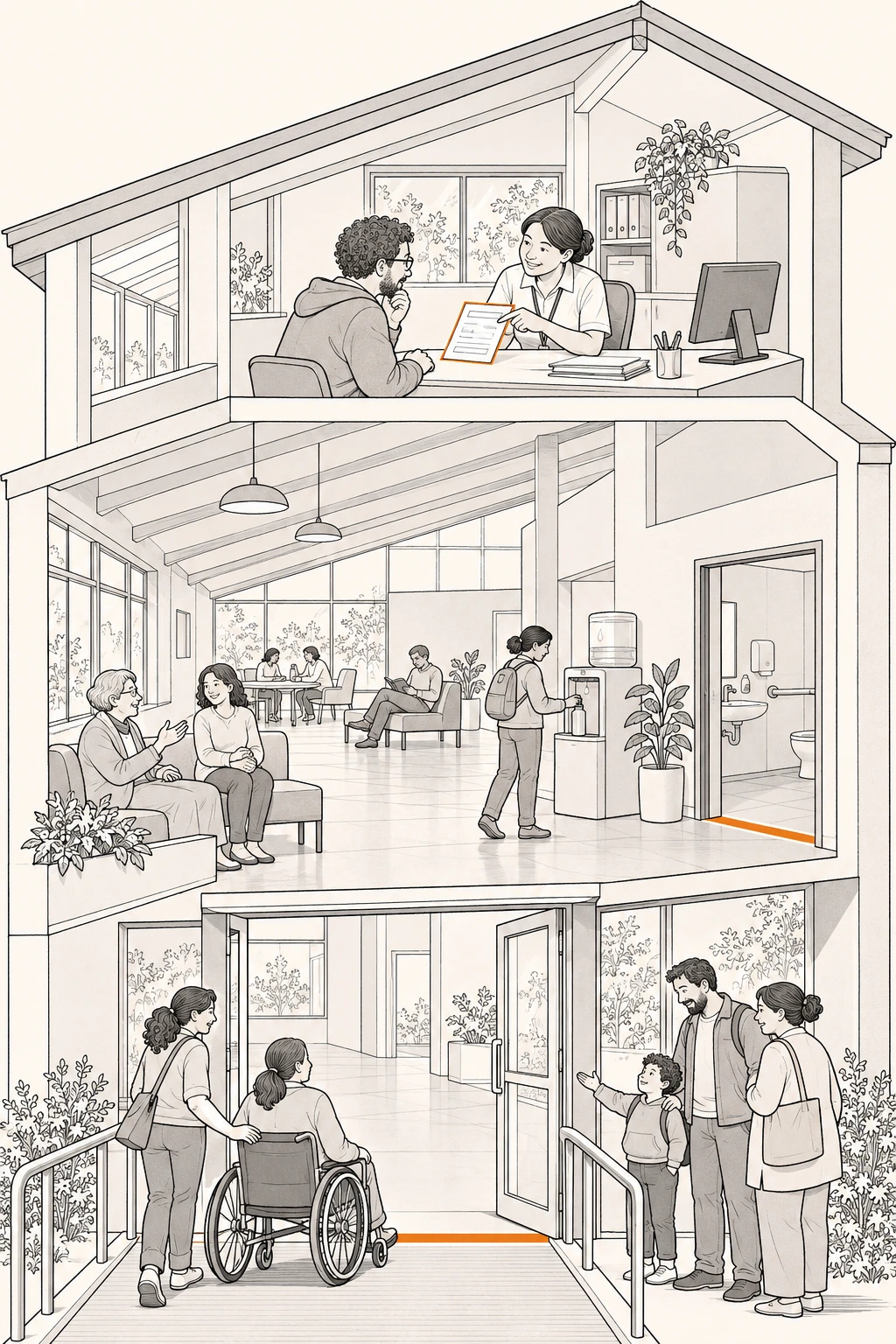
Figure 28. Accessibility from transport to a specific service
[P] Three conventional scenes of one center: arrival with support, access to necessary services and receipt of understandable information. Availability is confirmed for a specific person throughout the journey; the drawing is not a construction plan.
Maintain the right accompaniment. There is a prescribed procedure for transferring a child to a legal representative or authorized employee, with verification of authority and recording. Until the recipient is identified, the child remains under organized supervision; Lack of documents does not delay urgent assistance. The arrival of adults together does not prove the safety of their cohabitation. There should be an opportunity to report unsafe behavior or request a different accommodation.
The assigned health care professional determines on-site care and the need for another level of support. Drug storage, procedures and equipment are inspected in detail; the volunteer does not change the treatment and does not select a device based on external similarity. For animals, a specific procedure and owner contact will be agreed upon.
Explain the routine: when and how to get food, including outside the general queue for a justified need; where to rest, receive care and learn about changes. A quiet place for communication or recovery should not turn into forced isolation. A person can say a food doesn't suit them, a medicine is running out, or a service is unavailable, without a public argument. The request appears with a number, provider and the next response.
The new shift takes into account the actual number of residents, assistance changes, expected supplies, building limitations and pending requests. Information known to one volunteer should not go away with him. If communication is lost, the local log, the intended call and the agreed supply reserve are retained; The individual sheet is kept by those responsible. Announcements are repeated wherever people are, including those who cannot come to the stand.
Changes in resident numbers, new medical needs, impaired accessibility, loss of a critical service, or loss of the building's fitness for use require a review. Overcrowding changes reception and supply arrangements; space in passageways and sanitary facilities must not be quietly reduced. If a need to relocate is already known, work begins before resources run out. Immediate danger inside the premises requires urgent protective action without waiting for administrative agreement. The center closes when everyone has a subsequent place to live or receive help; a closed door cannot be the answer for those left behind.
C18 Protection against abuse within help
Who uses it. The person being threatened, his available assistant and the organization receiving the appeal. The recipient of the complaint must have an alternative in the event of a complaint about him or his supervisor.
Where to start? Find out whether the danger is ongoing, what protection is needed now and how to contact safely. Arrange to get the help you need without being forced into contact with the person being complained about.
When to delegate a task. Investigations, special protection measures and legal decisions are transferred to the authorized recipient. Until then, they maintain access to services and feasible temporary protection; a full investigation is not a precondition for it.
The report may involve violence, threats, sexual coercion, extortion, stalking, unsafe treatment of a child, or use of assistance for personal gain. The first job of the receiver is to hear what is needed, and not to force the person to prove every detail in front of the line. The recording separates the applicant's words from his own observations.
[O] CHS 2024 provides safe, accessible ways to report concerns, proper handling or referral of complaints, and a victim-sensitive approach. It does not establish local powers of investigation or punishment. [V06] The further procedure is the author’s organization of protection within the limits of available capabilities.
Channel you can use
Residents are told who to contact, how to find another recipient, and what will happen after the message. This should be possible without a telephone, with hearing, vision or speech limitations, for a child and a person for whom it is dangerous to speak with an accompanying person. A locked box or number without a person answering is not considered a working channel. It is checked by the usual test treatment, without fictitious accusations.
The person is given information about what happened, the current danger, the help needed and safe contact. They are not forced to retell the story multiple times or meet with the hypothesized offender. An anonymous signal is also recorded, explaining the actions available with such a volume of information. Before going into detail, as far as possible, inform who will receive the information and what reporting obligations apply according to local rules. Absolute secrecy is not promised if it cannot be ensured.
Temporary protection and continuity of services
Within the limits of authority, it is possible to organize another waiting place, another employee, agreed escort or a different issuance procedure. Relocating the applicant should not be the only automatic answer: the applicant's wishes, path and continued care must be taken into account. If there is no safe new location, it is an open task for the person in charge, and available support at the current location continues. In the event of immediate danger, call the appropriate emergency service and act according to the available protection rules.
Food, medical care, sanitation and other available basic services do not become a price for silence, personal meeting or unnecessary information. Complaining does not change the queue as a punishment. The registration dispute is resolved through the provided alternative procedure; lack of resource - for general, understandable reasons. When changing service locations, actual acceptance by the new provider must be confirmed.
For an institution, the independent recipient may be a designated higher or separate person in charge or a specialized service. The interim team searches for an available competent organization and agrees on the transfer. If there is no connection yet, save the request and schedule repeated contact, taking available measures. An ordinary volunteer is not declared an investigator. The complained-about supervisor does not have exclusive control over recording, contact, and temporary protection.
The minimum required volume is transmitted and the recipient is identified. The public record should not allow neighbors to identify the applicant by detail. Personal devices and shared chats do not become an unlimited archive of stories. For a child and a dependent person, the safety of the escort is checked separately: an adult who calls himself a relative undergoes the check provided for by C11. If there is danger from the accompanying person, he is not automatically informed of the contents of the appeal and the new address. Regular participants provide presence and basic assistance, without repeated questioning of the child or promises of an official outcome.
Unusual behavior in and of itself does not warrant deprivation of services, isolation, or punishment. Instead of labeling a substituted person, they find out the action: threat, coercion, persecution, damage, refusal to perform a specific duty. Evidence of an unusual event is retained for the scientific record; medical need is considered separately. Language, appearance and origin do not become criteria for danger.
Temporarily changing an employee or contact reduces risk and is not evidence of guilt. The applicant's defense is compatible with respect for other participants and an accurate recording of uncertainty. Self-surveillance, forced phone checks, retention and punishment do not arise as new powers from this card.
Contact the applicant in an agreed upon way: is he receiving help, has the forced contact stopped, have any threats appeared after the application? If the message itself increases the danger, the procedure is changed and the competent recipient is notified. The absence of a response is recorded as an unknown result. When overwhelmed, the immediate danger and urgent needs are first identified, then a recipient is assigned to the rest of the cases and deadlines are communicated honestly. If a single employee combines incompatible roles, external contact is required; the name of the commission does not create independence.
Case Study Z-03: Help depends on the person being complained about
[S] A resident reports that an employee is demanding a personal payment to be included in the issue. She fears losing power and doesn't want a public discussion. The message has not yet been verified. The same worker is the only available shelter technician. At the same time, another employee can conduct regular issuance, and the individual recipient of the organization’s requests is available via communication. There is no technical replacement yet.
You can leave everything as is for the sake of the equipment or remove a person from all work, transferring dangerous maintenance to an untrained person. Both decisions create new risks. The manager uses the existing division: he transfers the usual issue to another employee, coordinates the place and time with the woman, and sends the appeal to a separate recipient. The accused is not instructed to sort things out with the applicant. Technical work remains in the established professional order; the new order is not declared to be either an excuse or proof of guilt.
The cost of the decision is that dependence on a single specialist is not eliminated; additional service organization and an external request for a competent replacement are required. Later it turns out that the second employee will not be able to handle the next issue. The temporary measure cannot simply be extended on paper: the manager re-designates the acceptable method of receipt and communicates it to the applicant through the selected intermediary. If the person responsible has not been found, this is an urgent open task. Forwarding a complaint does not in itself end it.
Settlement and city: connect separate assistance
A large number of people change the task. It is no longer enough to know who needs water: it is necessary to combine supply, unloading, storage, distribution and delivery to those who cannot get it themselves. In this case, two points may depend on one road, and several services may depend on one communication channel. Management starts with these real connections. The overall team should help individual locations operate without blurring the differences between them.
C05 Settlement with a small number of specialists
Who uses it. A designated local leader, deputy leader, and residents who volunteer to perform clear communication, care, and support tasks.
Where to start? Get a factual picture of the people, the services being provided and the help that is missing. Establish an accessible coordination point outside the identified danger zone and distribute nearby work.
When to delegate a task. Regional services are given specific deficits, limits of independence, and conditions for receiving help. Medical decisions remain with medical professionals; they are not assigned to untrained volunteers.
In a village, town or isolated community, one person often combines several responsibilities. This is acceptable as long as he is able to carry them out. If you can’t do it in time, you need to reduce the promised work or request a replacement. The list of positions should not hide the lack of people. Before the event, it is useful to check local specialists, replacements, contacts and the possibility of receiving external assistance; Available offline copies save unfinished tasks.
On the map, mark missing electricity, closed roads, people with necessary routine procedures, and messages that are still being verified. Hearing does not become the boundary of infection. Assign responsibility for communications, water, accommodation and assistance to dependent residents. To safely voluntarily check on known vulnerable people, the assistant is given a narrow task: convey a message and determine the need. He is not sent to examine the substance or forcibly remove the person.
The application to the district service must disclose the resource or service, quantity and purpose, number of people affected, access restrictions, available method of offloading, and contact of the recipient. Also tell us what has already been provided. Once received, update the request to ensure multiple services are not duplicating one supply while another need remains unanswered. The promised shipment is counted separately from the received one.
If contamination is suspected, specialists determine the organization of transport reception and accommodation. A healthy driver and the normal appearance of the car do not confirm cleanliness. Residents are issued a short message with time: known facts, immediate action, available help and next review. The error is corrected in the same channels; C09 helps bring the fix to people without a network.
If needs exceed local capabilities, relocation is considered. People who need complex care can be transferred earlier than others. A prepared trip requires a proven route and reception. If it is immediately dangerous to remain, urgent movement to an accessible safer place shall not be delayed until full agreement has been made; further assistance and recordkeeping will be organized in parallel. A lack of gasoline does not make the shortcut through the danger area viable.
Without communication, agreed local notification methods and a paper log are used. A person is not sent through an unknown area with just a message. Management does not gain new rights to detain, seize property or punish for rumors. Review requests in case of service failure, route changes, needs and stock changes. Completion is a sustained supply or orderly transfer of people to the receiving party, not a sent report. If there is no external way out, use C15; if the crisis continues, use C13 and C19.
C06 City with multiple simultaneous failures
Who uses it. Authorized response leader and city services. The deputy receives the same up-to-date decision log, and each district receives an understandable task.
Where to start? Summarize observed impacts, medical encounters, infrastructure performance, and communications status. Divide the city according to actual conditions; check which failures have a common dependency.
When to delegate a task. Specific obligations, places without confirmed reception and missing resources are transferred between services. Territorial disputes are considered according to G07, competition for resources - according to G08.
The glowing object, power outage, and symptoms may be related or may have different causes. The overall picture preserves these variations. A site requires a source of information, an action taken, a person responsible, and a change condition. The same order for the entire city is justified only by conditions that apply equally in all areas; convenience of notification is not such a condition.
Check dependencies to the point of assistance. Water requires energy, a hospital requires water and transportation, shelter requires sanitation and accessibility. A reserve powered by the same failed link does not automatically solve the problem. Together with specialists, determine the order of restoration and name the consequences for those who wait.
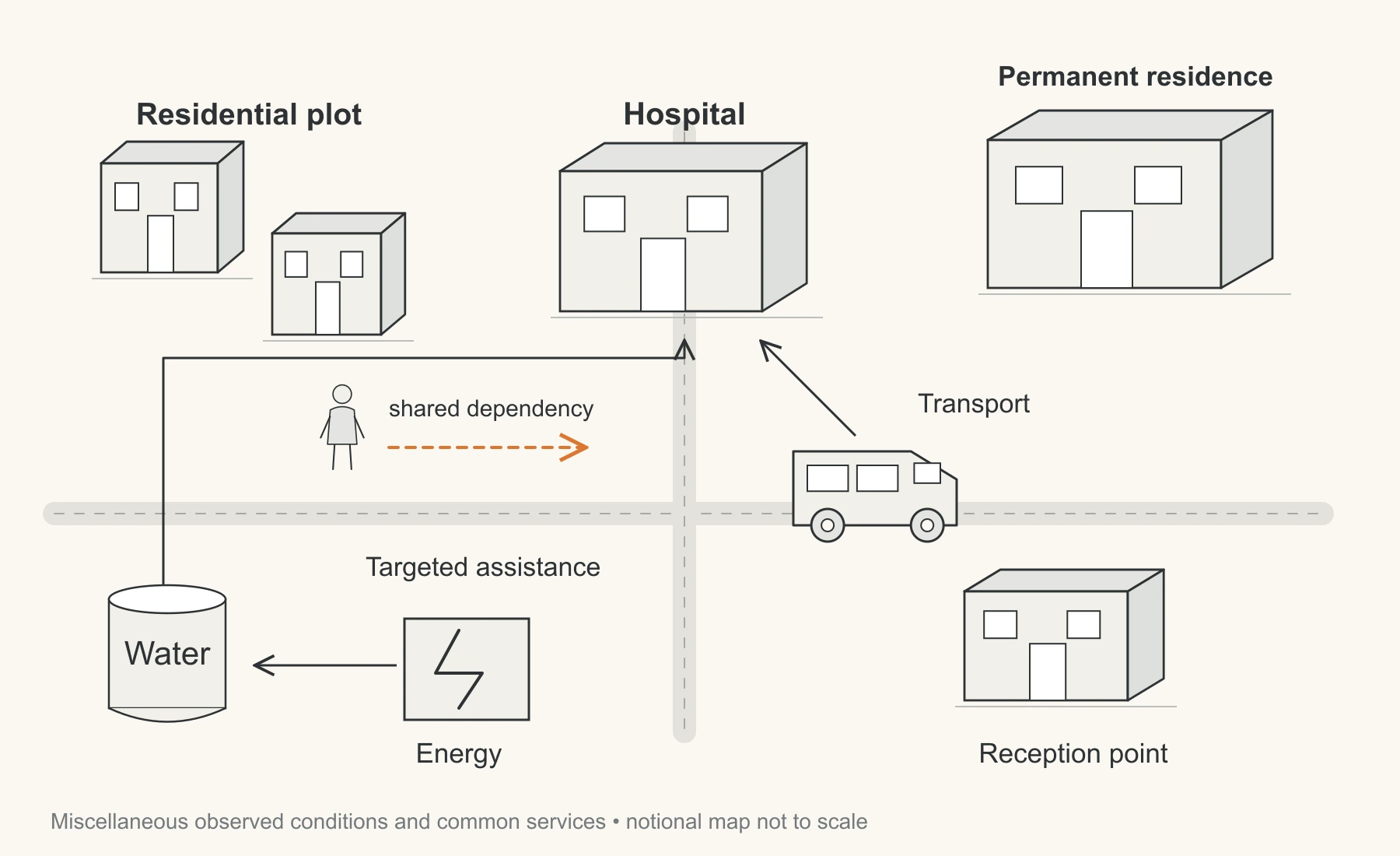
Figure 29. City: different areas and common dependencies
[P] Urban areas vary in conditions, but are connected by common resources and services. Availability of assistance is assessed for specific people, including those who cannot use personal transport.
Shelter and movement are coordinated with roads, transport and reception capabilities. Separately, people without cars, permanent residence institutions and those who do not receive regular messages are taken into account. Data verification, decision and publication are distributed among the appropriate executors. One unverified snapshot or output from an automated system is not sufficient grounds for a mass trip. In the case of immediate danger, protective action may precede a full explanation, but is based on specific observable harm.
Messages are issued in accessible ways and in the required languages. They name the recipients, the hazard, the action, the exceptions, and the next update. WHO recommends early, clear communication and open acknowledgment of uncertainty; Revisionability helps explain instructional changes. [C14]
Be aware of the consequences of your own measures: delays in routine medical care, overcrowding, separation, lack of access to sanitation, and misguided restrictions. When a route is closed, stop new directions there and separately help those already traveling. If the reception location fails, look for an available alternative or temporary decision without abandoning people at the lost address. Behind every measure there must be someone who has the right to cancel it; the absence of a further order does not make the restriction unlimited.
Without central communication, units carry out pre-delegated tasks and the latest confirmed version, noticing new local threats. The exit from the burning room does not wait for the center. The journal stores the facts, the alternatives considered, the decision, the person responsible, and the conditions of review and cancellation. Operations return to normal when essential services are secure, remaining risks have been transferred, and temporary powers and restrictions are terminated or reasonably modified.
Case Study: One Team for Different Regions
[S] An unusual glow is observed above the industrial outskirts. Electricity was lost in two areas and complaints of headaches were received. The video is called an energy attack, but its origin and connection to the symptoms have not been established. The primary summary does not yet show the conditions of each building. The headquarters decides to make a quick general announcement: everyone should go down to the basements and wait. An alternative is to clarify areas and issue different guidance; it requires time and available local communications.
The cost of a common team is revealed in new facts. In one house, the basement is inaccessible to a person in a wheelchair. In another, after shutting down, the gasoline generator inside is turned on. Some residents travel through the city to pick up relatives. The headquarters recognizes the mistake in the same channel and replaces it with decisions on sections. The fire department is referred to internal dangers, doctors assess the condition of people without a predetermined diagnosis, and the utility service deals with power loss.
For a person in a wheelchair, a separate task of accessible accommodation is opened, for those dependent on equipment - the task of continuing the prescribed assistance. Only items that have confirmed the possibilities remain in the message. Families are explained where separation is acceptable. The unknown glow is kept for testing, but all consequences are not automatically explained to them.
Later it turns out that some residents without the Internet continue to follow the old command. Now the published fix is not enough: existing local points and broadcasts repeat the new order, and unreached groups remain on the communication list. The damage of the first decision does not disappear - time, energy and trust are lost. The breakdown should show what data may have previously divided the districts and who is responsible for actually getting the fix.
C08 Unknown object after falling or landing
Who uses it. First eyewitness and on-site services; after the establishment of management - a scientific group. Possible extraterrestrial origins, intentions and controllability of the object remain scenario assumptions pending verification.
Where to start? Stop approaching and manipulating, assess common hazards observed, report location and victims. Do not collect fragments or connect found devices.
When to delegate a task. The rescue response leader takes over the protection of people and access to the site, and the scientific team takes over verification of origin within agreed limits. A possible request for assistance is considered separately under G17.
The first witness notices fire, downed wires, traffic, structural damage and a release of material. He moves away from the direct impact in an accessible way, warns those nearby and reports the time, place, victims and changes. Filming and leaving things behind should not delay exit. He helps within the limits of preparation and safe access to C21, without entering a fire, damaged structure or unknown environment.
The dispatcher specifies rescue and medical needs. The first service appoints a manager on site, an available coordination point and calls in the missing specialists. Before scientific attribution, injuries, fire, destruction, communications and possible contamination are checked. Supporting information and gaps are retained for each version. An urgent exit is not delayed in order to obtain permission to evacuate; The reception of the rescued is being clarified in parallel.
Temporary limits of access are set and changed based on observed exposure, available measurements and expert assessment. Universal safe meters are not assigned to an unknown object. Preserve escape routes, medical access and egress for people; Congestions are reduced by clear communication and traffic management. An eyewitness does not have the right to detain others.
The object and fragments remain until a specialized decision. They explain to the population: do not touch, do not carry, do not open or take away; report the location of the new fragment. If a find interferes with direct rescue, the conflict is resolved by the manager with the relevant specialists. Life takes precedence, but that doesn't make moving an unknown object yourself the usual way to help.
The science team begins with available records, service information, and permitted safe positions. It distinguishes observation, explanation, and confidence. An additional viewpoint does not justify moving closer, nor does a desire to test a hypothesis justify physical interaction. The response leader and researchers will agree on the task and the conditions for its termination.
The public message identifies the affected location, the observed hazard, the available action, assistance, and the next update. The mere fact of landing does not equal an attack. Movement of an object, new impact, change in terrain, new fragment or discrepancy in data require revision. The disappearance of an object does not eliminate damage and secondary hazards. The response to the signal undergoes a separate contact procedure: the witness does not represent humanity and does not have to experience the reaction.
When communication is lost, bystanders move away from direct impact and turn to available help. Services use backup channels and paper records, rather than sending people through the danger zone with just a message. The study is stopped if conditions deteriorate, access control is lost, or there is a new threat to people. After rescue, the remaining risks are transferred to the responsible services, the current regime and the reasons for the new authorization are explained to the population. The lack of press and visible movement does not serve as such a reason. On a large scale, use S09; the original records and needs are transferred along with the indicated uncertainty.
C07 Hospital with unknown mass impact
Who uses it. Medical response leader for the facility plan, designated deputy and hospital units. The card organizes the work and does not specify a diagnosis, drug or treatment regimen.
Where to start? Activate a valid emergency plan, assess personnel, facilities, water, electricity, oxygen, communications and critical supplies. Organize a pre-emptive reception without waiting for the name of the event.
When to delegate a task. Clinical decisions are led by medical specialists; transfers are coordinated with the actual availability of transport and the receiving institution. The next shift receives patients, restrictions, and pending assignments.
WHO views hospital preparedness as a system of response to various hazards and resource disruptions. The forks proposed here are the author’s development of this foundation. [C15] Unusual patient flow, potential contamination, and infrastructure failure may occur simultaneously. Therefore, the established number of beds cannot automatically be considered as current capacity after systems failure.
Clarify the circumstances of admission and conduct an initial assessment of approved medical procedures. The likelihood of contamination or transmission of infection is taken into account by responsible specialists assigning the route. Urgent care is provided with the protection of other patients and workers: the final explanation of the event should not delay life-saving actions, and the unusual nature of the event does not negate protection.
The clinical team compares cases separately from assumptions about the source's intentions. It also looks for ordinary causes: disrupted supplies, shelter conditions, or interruption of necessary treatment. The hospital still has patients whose needs are unrelated to the incident, and critical services for them must continue.
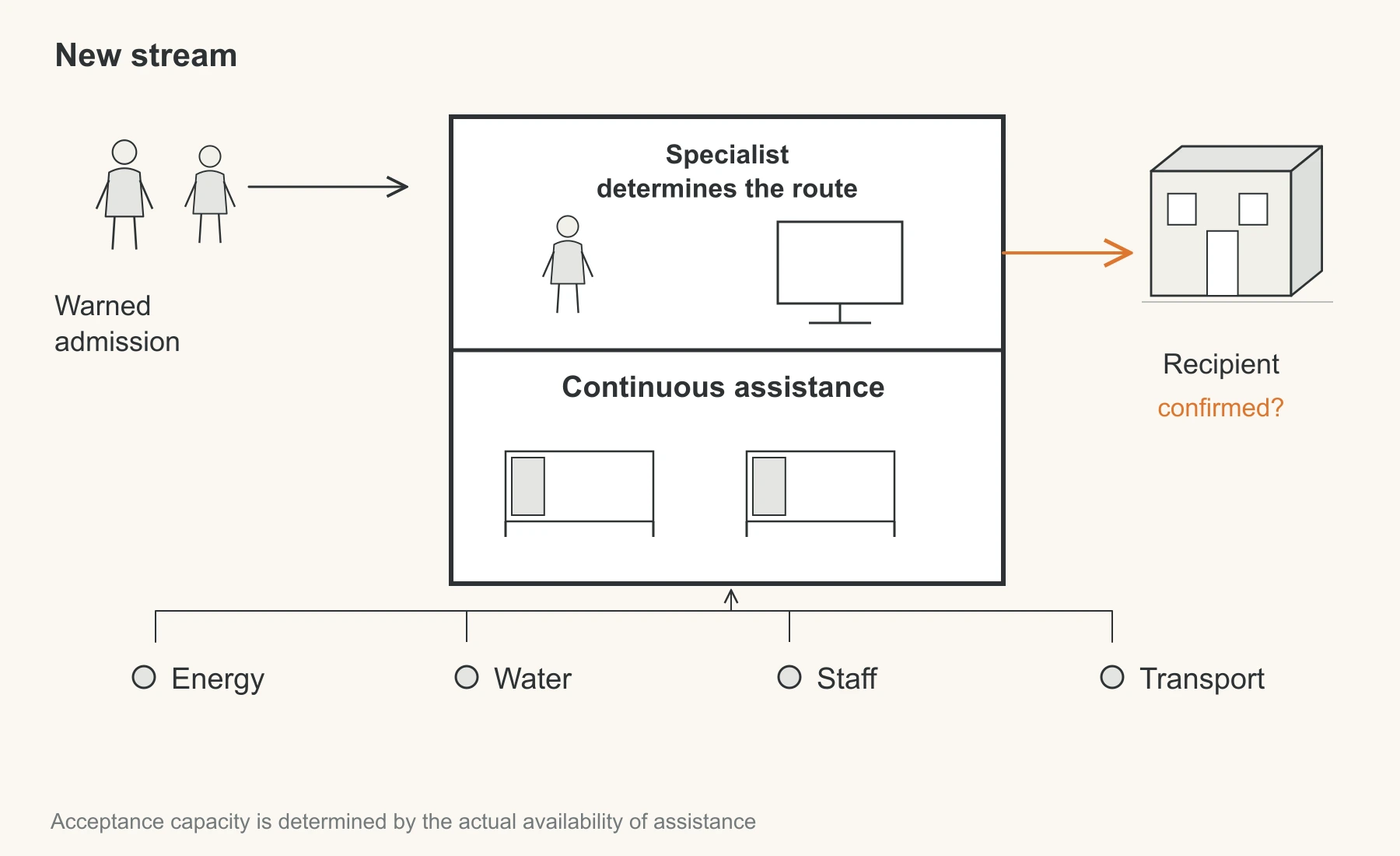
Figure 30. Hospital: new flow and continuous care
[P] New admissions and continuous care for people already in the hospital are organized simultaneously. The possibility of transfer is confirmed by the specific receiving party.
A planned transfer requires transport, accompaniment and readiness to receive. If the building itself has become immediately dangerous, a hospital emergency plan rescue move is performed; further reception and support are provided simultaneously. The risks of travel are assessed based on the condition of the patients and the available route. Declining resources must trigger a request before they are completely exhausted. An unconfirmed miracle cure is not a substitute for established help.
Organize shifts, rest and support for workers, and reliable transfer of clinical information. A volunteer is not entitled to unfamiliar medical or technical work. The response authorities are given the actual receiving capacity and its limitations. Information about patients is provided to the required extent through the provided channels; The public announcement does not reveal the identities of those affected.
Without communication, they use paper treatment orders and recordkeeping, established interaction with other institutions. An unusual order is checked based on the identity and authority of the sender. The plan is modified as patient conditions, capacity, infrastructure, and transfer availability change. The emergency regime ends with the transfer of remaining risks and the restoration of deferred services. External calm does not close the medical incident; the receiving physician or institution receives the necessary information and commitment to continue care.
C09 Clear alerts and corrections without a network
Who uses it. Designated Alert Leader, Reporter, Review Officer, and Local Help Desk. The deputy is given the current text, contacts and publication authority.
Where to start? Check the origin of the information and formulate one available action for the named territory. Indicate the sender, the danger, help for those who cannot follow the directions, and the next update.
When to delegate a task. The responsible service confirms the protective effect and the place of reception; help points inform whom the text has not reached. If an accessible channel is suspected of being compromised, G14 is applied.
Before the event, well-known methods of communication are determined without installing a new program: local broadcasting, announced telephone numbers, stands of existing points and provided notification. Find out who needs text, audio, translation or personal assistance. FEMA includes the source, event, area, protective action, and expected update in the alert. Here, this set is complemented by performance verification and patch delivery. [NC2]
The initial message is associated with the observing service, time and territory. Confidence, contradictions and unknown parameters are noted separately; forwarded copies do not create independent confirmation. If there is an immediate threat, you can warn about the observed harm until it is fully explained. The author receives a specific answer from the service about where to stay or where to move, how they will help those who cannot, and what exception applies in case of immediate danger inside.
One original version is reviewed by another authorized person. He tells who should do what and where to go. This reveals ambiguous addresses, confused areas, and incompatibility with neighboring regimes. Rapid release in case of urgent danger is established in advance so that the inspection does not delay the rescue. There should not be an unconfirmed receiving address in the message.
The short ad, the full text, the audio and the written version all lead to the same action and have a time and number. The translation is checked for meaning, especially negatives and streets. The image does not replace the text for a person who cannot see it. Local stations report which groups have not received instructions and which questions are repeated; unnecessary personal data is not collected to prove coverage.
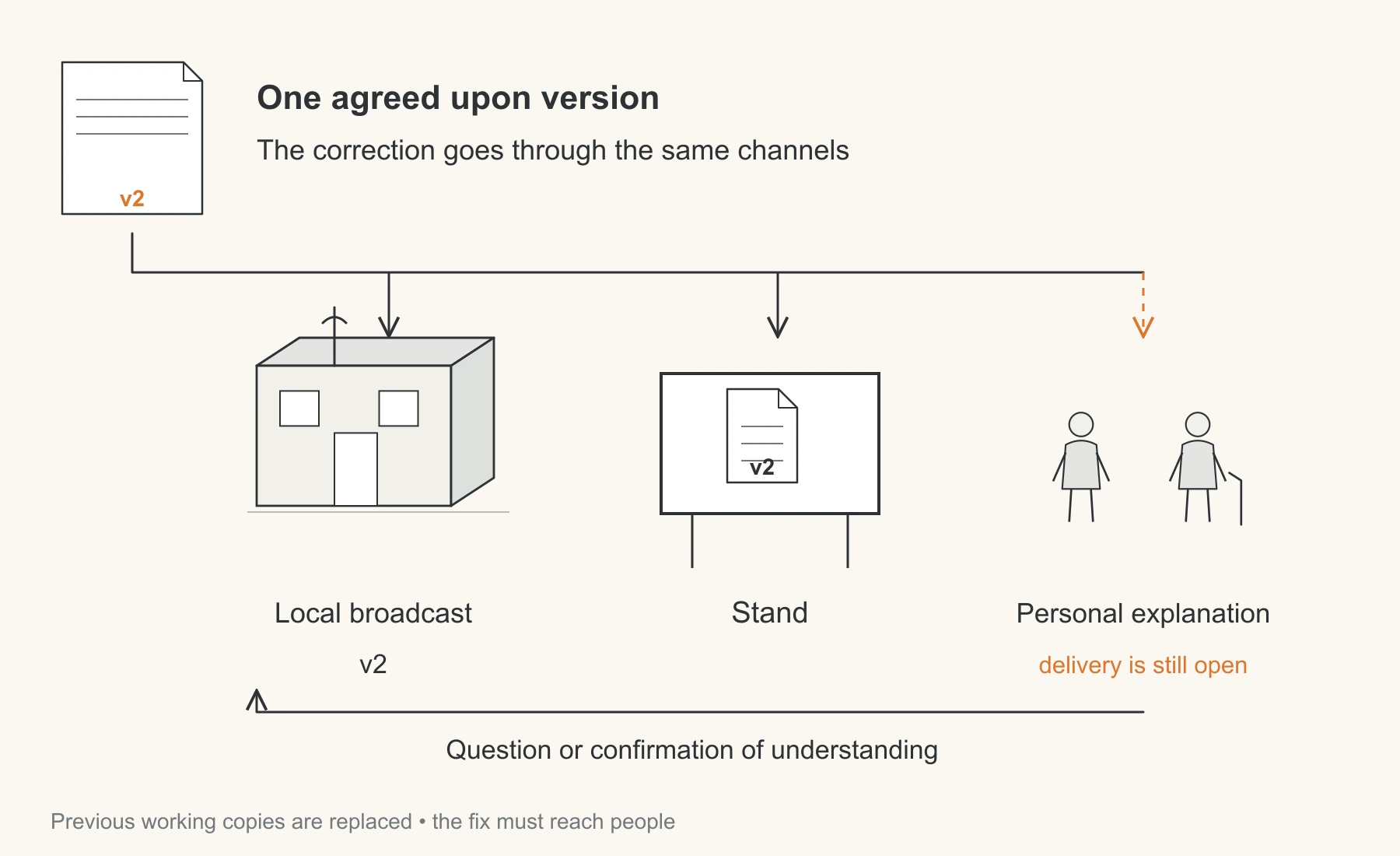
Figure 31. Offline alerts and delivery of corrections
[P] The message saves one version in all available channels. The fix involves replacing old copies and returning information about people who have not yet been reached.
If the instructions of the two services are incompatible, the territory and the subject of the discrepancy are designated, the immediate action is agreed upon and the next clarification is communicated. Residents are not forced to independently choose the leadership of departments. The fix names the instruction being canceled, the new version, and the useful reason. Outdated sheets are removed from the current issue, saving for history; the apology is accompanied by a new order of assistance.
Without a network, the employee reads the original text rather than retelling it from memory. Offline broadcasting and points only work if they are accessible and safe. A paper copy needs a date, time, territory and number. The courier is not sent through a danger zone to coordinate announcements. A message about a mass evacuation from an unexpected source is verified through known channels, but this verification does not keep the person in immediate danger. If it is impossible to follow the instructions, the nearest available protective decision is used with an obstacle message.
What the fix looks like
[S] Continuing the case with buses, the record M-014, version 3, has the time 10:20. The receiving shift, through a verified official contact, reported the closure of the Severny center due to damage to the building. In the exercise, there is a contact point at school No. 4; it does not promise new accommodation. A short announcement might look like this:
“Message from the city service for residents sent to the Severny center.” The previous reception address has been cancelled: the building is no longer accepting people. New trips there have been stopped. Already dispatched transport receives instructions from its dispatcher. For assistance, please contact the duty officer of the communication point at school No. 4. The next message will be issued after another reception has been confirmed. If there is immediate danger on site, take available emergency action.” The time in the example refers to the message, not the security period.
The choice is to immediately name an unverified alternate address or admit the absence of a ready-made destination. The second option is selected; its price - some people are still waiting for a decision. Later, one service point reports that the old paper version remains with residents. A new task of delivering the correction appears; the publication mark does not close it. The address of a specific vulnerable person or details of treatment cannot be disclosed in order to explain an exception.
A change in route, territory, reception, impact or erroneous understanding requires a revision of the text. The next shift accepts versions and unreached groups. Cancellation of the protective mode is issued in a separate message with the reason; The disappearance of an old entry from the network does not replace it.
Sustaining Life and Returning
After the first day, the question changes: will it be possible to repeat the help tomorrow? Food needs to be prepared and delivered again, waste removed, shifts replaced, equipment serviced. After weeks, training, work, income and due payments, economic relations, communication with loved ones and the opportunity to appeal the mistake are added to this. The temporary order, which is maintained without revision, gradually takes away ordinary life from people.
First, a distinction is made between stock, current consumption and future supply. Then they check where the next supply will come from, who will do the work, and what needs to be learned before the only specialist leaves. The return is considered separately: stopping the incident does not restore the house, water and the help the person needs.
C12 Water, food and everyday life with unknown contamination
Who uses it. Head of Local Supply, Sanitation and Network Operator; the family communicates its needs and respects the restrictions on its resources.
Where to start? Specify the affected source, lot or site, the basis for the restriction, and the permitted uses. Separate suitable stock from uncertain stock, organize available alternative supply.
When to delegate a task. Suitability, restrictions and handling methods are determined by appropriate specialists. If there is a shortage of the necessary resource, a request for urgent assistance and possible relocation is opened; if people's condition worsens, a medical call is made.
Water can have different permitted purposes: drinking, cooking, hygiene, technical use. Their list for the event is determined by specialists. The return of pressure in the pipe confirms the operation of the network, but not the quality of the content. The CDC points out that boiling or household disinfection does not make water containing fuel, toxic chemicals or radioactive contamination safe. The universal advice to boil does not cover the unknown composition. [NC4]
Record the location and time of the restriction and supporting data. Do not spread the output of one batch to a neighboring one or one plot to the entire region. Labeling and recordkeeping should prevent accidental release: unidentified stock is not mixed with verified stock or added to the available balance. Taste, smell and appearance are not a substitute for determining suitability.
Needs include preparation of permitted food, care, work of institutions and animals. Medical restrictions are clarified with the appropriate specialist; Logistics does not assign a physiological norm to a person. For alternative delivery, the origin, packaging, delivery and actual receipt are confirmed. Those who cannot come are assigned a targeted delivery. The restriction is published along with an indication of what is provided in return and when the update will occur; establishments that prepare food also receive this message.
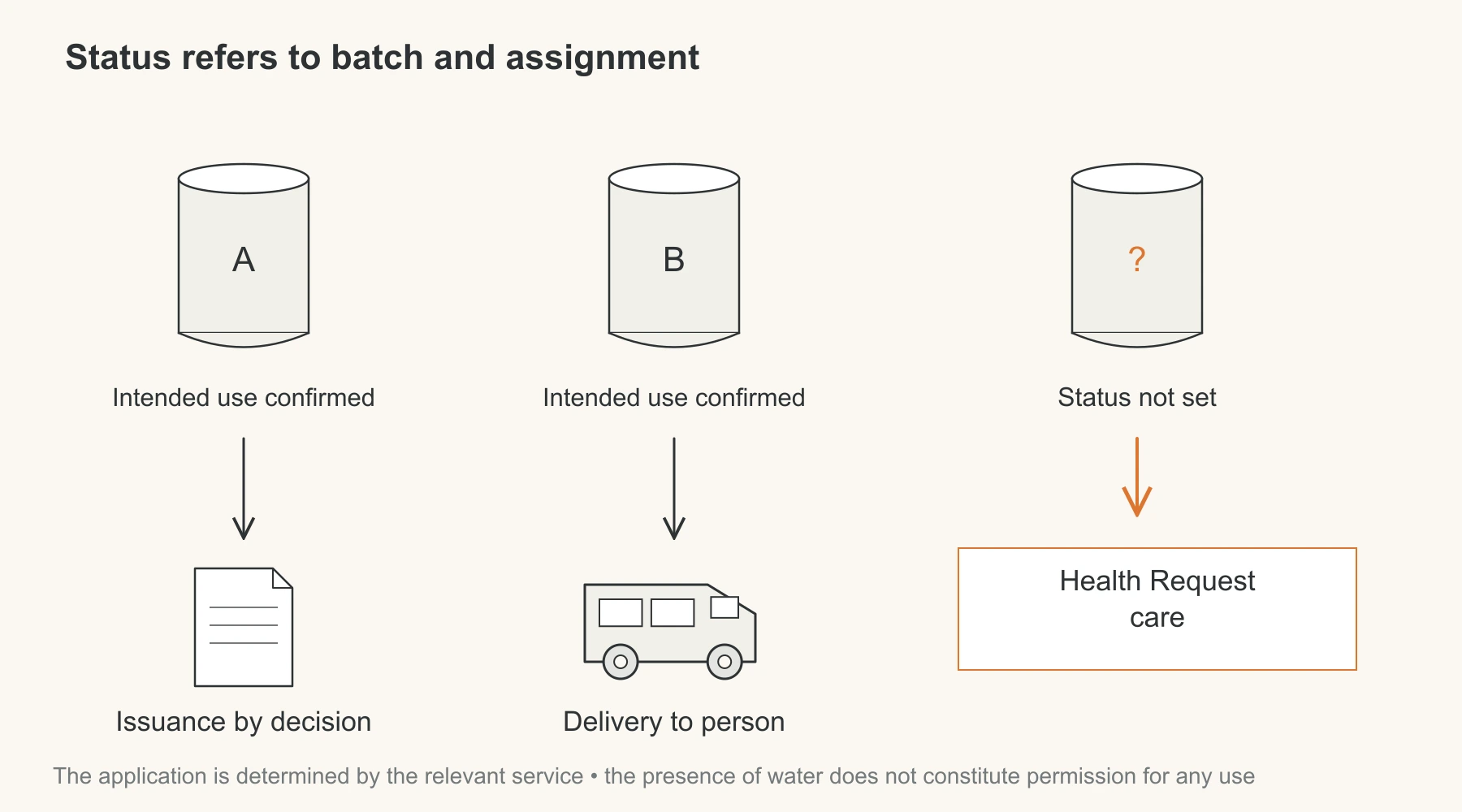
Figure 32. Water batch, permitted use and recipient
[P] The permit is for a specific batch of water and a specified use. Issuance, targeted delivery and requests for other household needs are counted separately.
Refrigerator shutdowns and available temperature data are stored in product history. The FDA warns that sight and smell do not confirm food safety after refrigeration failure; specific decisions are made based on current sanitary recommendations. They are not proof of the absence of unknown contamination. [NC5] Lots with an uncertain history are not declared suitable after power returns.
Assign sanitation facilities, cleaning, waste removal, and access to care products. Use the order established for the place. In the case of an unknown substance, the specialized service determines the treatment; Residents are not instructed to mix products or test cleaning on the material. Match actual results with people's needs and messages. When complaining about a condition, organize assistance and convey information about a possible common batch without assigning a reason; The product cannot be reused for testing purposes.
If there is no suitable source and the stay loses the necessary conditions, the manager will organize urgent assistance and suitable relocation. For several versions of pollution, restrictions and enforcement are agreed upon by experts on a specific impact, rather than automatically choosing the most stringent indefinite ban.
Without communication, they keep records and measures justified by the available data. The absence of a channel does not automatically renew expired powers; the expiration of the order, in turn, does not confirm the quality of the water. The undetermined stock remains separate, alternative provision continues, the service's decision is requested in an accessible way. The deficit is transmitted via a backup channel; waiting for a response does not replace the rescue task.
New data, delivery failures, changes in consumption, complaints and labeling errors require revision. Removing the restriction names verified sources, applications, and remaining conditions. The work is completed with restored sources and household services with transferred control and assistance; one newly working system does not close the others.
Case study: the network is working, but there is no water permit yet
[S] After the network is damaged, its use in one area is limited. An unknown substance was found in several places; connection to the network is not established. Two points received water: the first has a suitable drinking batch with a confirmed origin, the second has an unclear delivery history. The first one can continue the established output, but its supply is not enough for all new applications. People who find it difficult to come need delivery. The center also contains food with an unknown refrigeration history.
You can close both items until complete clarification or continue the controlled release of a known batch, separating the remaining tasks. The second option is chosen. Uncertain water does not mix with suitable water; the second paragraph reports a replacement request. For address orders, delivery is requested separately; unconfirmed trips and uncovered volume remain open. The price is waiting for some recipients, additional work and the lack of a ready-made general answer.
The operator then restores the pressure. This changes the technical condition, but the sanitary service has not yet determined the acceptable uses of water. The alternative output is retained. For a person who needs water for personal care, the restrictions relating to this use are separately clarified; his question is not covered by the presence of a drinking party. The later service decision is combined with the technical message, maintaining the distinction between the two. Food with an unknown history passes its test, regardless of water recovery.
C13 Inventory and distribution during the ongoing crisis
Who uses it. Family coordinator, head of provision of the settlement or center and deputy with access to balances and unfinished needs.
Where to start? Reconcile suitable available stock with actual consumption. Separately write down the promised deliveries. Name the decision that will be needed before the help you need is lost.
When to delegate a task. Medical priorities are determined by specialists, while household and logistics priorities are determined by the corresponding responsible persons. Life-threatening deficiencies are referred to emergency services; C15 addresses situations with no route to external support.
Start with the functions without which stay is impossible: water, food, necessary treatment and care, a protected place, sanitation, communication with help and rest for workers. For each resource, set the location, owner, purpose and source of replenishment. Check the dependence on energy, transportation, specialist and compatible consumables. These are verification issues, not permission to modify the equipment yourself.
Actual reconciliation distinguishes between received, already issued, reserved for a task, and temporarily unavailable. Expenditure over a known period is compared with the current number of people and conditions. For the family, simply recording the direction of change is sufficient; It does not need laboratory precision. The preparation time for delivery or transfer is allowed for before the resource is exhausted. The universal promise to hold out for another day is not used without reason.
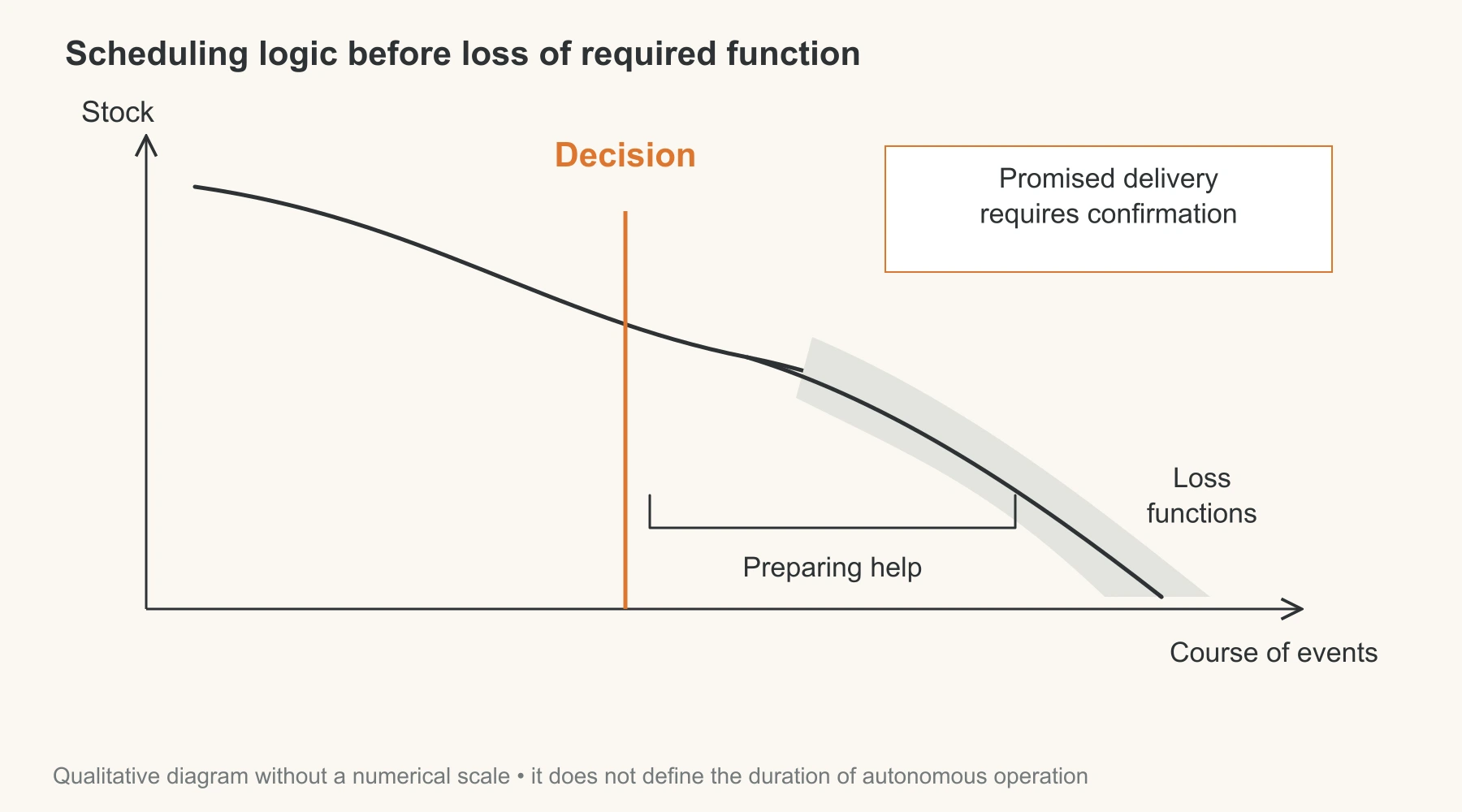
Figure 33. Decision before the required resource is exhausted
[P] If assistance or transfer requires preparation, the decision is made before the predicted loss of function. The promised replenishment and the range of uncertainty do not translate into a guaranteed date.
Communicate a clear dispensing procedure: what is available, how the volume is determined, who to report a special need to, and who will correct the error. Don't force a person to publish a diagnosis to justify priority. Help is not distributed based on fame, volume of demand, or acceptance of dangerous work. Those who cannot stand in line and apply are counted separately. The absence of a mark should not deprive you of urgent assistance.
Compare the real ways to preserve the function: supply, assistance to the neighboring territory, change of location, termination of unnecessary expenditure. Changing a drug, equipment or regimen requires an appropriate specialist; a general call to save does not replace the necessary care. If there is a supply, but there is no suitable container, transportation or skill, it is not yet available for this task.
The replenishment request contains the quantity, purpose, time of the required decision, acceptance conditions and contact. Confirmation of order does not constitute confirmation of delivery. If the deadline is unknown, maintain that uncertainty and prepare an affordable alternative. The next shift must have the key, records, instructions and communication with the supplier; the warehouse is useless if all this is left with the absent employee.
Without communication, the agreed local order and paper reconciliation work. The reserve is spent according to predetermined authorities, without delaying the provided urgent assistance for the sake of a remote signature. The actual output is recorded for later comparison. In the event of a conflict of distribution, the reasons and channel for revision are explained; assistants do not receive the right to use violence or unauthorized removal.
New arrivals, lost shipments, equipment failures, transport delays, recordkeeping discrepancies and changes in quality require recalculation and communication to those whose plans change. If transfer is already necessary, it is started before the function fails. Stability is confirmed by several completed supply cycles and a proven reserve; the disappearance of the queue may mean that people have stopped getting to the point. For months and years you need C19, for local balance - F04.
Two records that cannot be mixed
[S] Educational record P-021: 240 liters of suitable drinking water received, 90 issued, physical balance - 150. Expected 300 liters have not been added: delivery acceptance time has not been confirmed. Calculation of needs is carried out separately for people and institutions; These numbers do not set the consumption rate. The next shift should clarify deliveries, check address requests and revise the plan before the actual balance is exhausted. The unconfirmed batch remains separate.
[S] Entry P-032 needs help with a personal medical device. The power compatibility check has been assigned to a specialist, but there is no result yet. A request for a suitable reception location has been prepared; the person remains with the person responsible for medical care. A note about the issued battery does not change the status to secured. The assignment is stored in the medical documentation, and in the general journal - the required task, person responsible, limitation and contact of the next shift.
C19 Months and Years: Replenishment of Resources and Transfer of Skills
Who uses it. Family, long-term care manager, local households, professionals and representatives of people who depend on their work.
Where to start? For each service needed, ask how it can be repeated after inventory is used up or the current provider leaves. Note what is replenished locally, what depends on external connections, and what deadline cannot be missed.
When to delegate a task. Complex production, research, permitting and restoration of external networks are transferred to the appropriate organizations. A settlement does not declare itself independent from the country where it cannot reproduce the necessary competence.
A protocol is needed when the end of restrictions is unknown, supplies are repeatedly interrupted, or life depends on a deteriorating device and a rare specialist. It works together with C13. A short joint recording is enough for the family; the settlement needs a connected plan of farms and services. Acknowledging dependence on someone else’s equipment, land, energy or skill is more useful than promising complete autonomy.
From existing stock to next cycle
List the water needed, food, care, housing, sanitation, energy needed, communications, and transportation. Then add training, income and economic relations: without them, the temporary plan puts more and more strain on the same people. Every service requires recipients, performers, consumables, constraints, and dependent processes.
Trace the path of the following replenishment: source, delivery, receiving, destination verification, acceptable processing, storage, distribution and waste. Designate a link without a person responsible as a gap. Local production is possible where real conditions and skills exist. A routine business transaction does not become an investigation into unknown contamination, and an urgent need does not confirm the suitability of a product.
Repairs, training and seasonal work require resources today. Show what is put aside for them and who will feel the consequences. Necessary care cannot be silently undone for the sake of the shared promise of a future harvest. If there is little strength, they choose a feasible volume and look for real cooperation, keeping a record of the remaining work. An investment in the future must have a clear result, an executor and a condition for revision.
Two households may depend on one pump, mechanic, road, warehouse or payment channel. Their reserves are then only partially independent. Check the common links and the neighbor's ability to actually accept the extra work. Promises from different suppliers do not add up to a guaranteed delivery if everyone needs one unavailable shipment. The general calendar should detect competing applications before the breakdown of care and seasonal deadlines.
Equipment and a person who knows how to work with it
For an essential device, a passport is kept: purpose, responsible, known mode, maintenance, compatible consumables, parts and contact of a competent person responsible. A distinction is made between work, work with permitted restrictions and withdrawal from use; users need to know the current state. A similar name or matching part size does not confirm compatibility. The device on which safety depends is not used for educational improvisation.
Next to it you need instructions specifically for the installed model and a history of changes, work performed and open restrictions. If the digital system is not accessible, prepared local copies and a paper journal can help; after the network returns, the versions are verified. Removing a part for another device changes two services and requires appropriate technical assessment. An outwardly intact, but hiddenly disassembled reserve is not a ready supply.
The transfer of skills begins before the loss of the only specialist. Identify a mentor, an available student, safe learning objectives, and verifiable conditions for authorization to work independently. Documentation, journaling, recognizing boundaries of authority, and working in a suitable training facility can be a start. Being close to a specialist is not the same as mastering a profession. If vocational training is not available, the dependency persists and they seek an external replacement, without granting themselves access through their own decision.

Figure 34. Repair and skill transfer at a training facility
[P] The skill is taught in a separate training unit with a limited task and verification of the result. Documentation, maintenance log and technical solution of the specialist retain their independent role.
Long-term routines require training for children, continued training for adults, rest and care. Children are not turned into a reserve for the dangerous work and responsibilities of trained adults. Local classes rely on available teachers and proven materials; when communicating with the current system, they save documents and the possibility of return. The mentor should also have a manageable amount of work.
Land, crops and animals
[O] In guidance on the management of animal health emergencies (GEMP 2021), the Food and Agriculture Organization of the United Nations (FAO) considers livestock emergencies broader than infectious outbreaks, including natural disasters and non-infectious causes, involving multiple responsible parties. [V05] This is the basis for including the farm in the general plan. The following order is not intended for veterinary or agronomic purposes.
Create a seasonal calendar with competent local people: preparation and sowing, care, water, cleaning, storage, machinery and animals. Dates and requirements are taken from the conditions of a particular farm. Every job requires people, transportation, tools, energy, communications and post-processing. A harvest that has no one to collect or nowhere to store cannot be considered future guaranteed food.
Seeds and materials retain their culture, purpose, origin, storage conditions and batch restrictions. The suitability of the seed and the use of care products are checked according to current requirements with an agronomist. Do not replace deficiencies with unknown plants or substances from the affected area. Green vegetation in itself does not confirm the suitability of soil, water and products. The undefined area is marked separately, considering the available permitted areas and supplies.
Animals need continuous water, suitable food, people to care for them, functioning facilities and equipment, and access to veterinary care. When limiting the territory, they decide separately who continues the permitted care and what to do if it is disrupted. Removing people does not complete this task. Drugs, animal movements and product decisions remain with the relevant specialists and services.
Feed, human food and unknown material are accounted for separately, maintaining the source, exposure history, storage and purpose. The status is not transferred to the neighboring party. The doubtful is not mixed with the confirmed in order to reduce the visible deficit. Diseases and unusual death of animals, plant and environmental changes are reported to the appropriate veterinary, agronomic and environmental channels with place and time. Animals do not serve as living test subjects for unknown effects.
Figure 35. Farming as a connected system of water, labor and storage
[P] Production, animal care, storage and delivery depend on water, labor and general technical links. Allowing traffic on a road does not determine the suitability of nearby land for food production.
S10 links the return to use of land, water, pasture and produce with data specific to that use. Allowing you to walk along the road does not automatically allow you to grow food nearby. An unresolved issue remains responsible for the review; new information changes restrictions on specific actions.
The agreement with the neighbor, the supplier and the buyer fixes what he can actually transfer, the condition, the agreed terms and confirmation of receipt. A distinction is made between assistance, purchase, temporary use and promise of future exchange. This book does not give the right to seize property, assign forced labor and cancel other people's obligations. Payment, documents and access are handled by the current competent authorities; accessible transactions maintain transparent recordkeeping.
If the network is lost, use prepared local copies, existing agreements and records of actual work; the lack of external confirmation remains a limitation, not a fictional supply. Delivery failure, specialist departure, new expense, seasonal milestone and information about the environment require revision. Repairs alone do not prove sustainability; repeated cycles are needed. Business tasks can continue after the emergency regime under G11 is lifted. For the local skills replenishment and transfer plan, F10 is used.
Case study D-02: one machine and two important jobs
[S] Two farms use one mechanic and one transport. A mechanic trains one assistant to work with documentation; the assistant is not authorized to carry out repairs. There is approved food for the current delivery, the next delivery has not been confirmed. On the same day, the only suitable vehicle is needed for the coordinated movement of a person from the place where the care available to him ends, and for the removal of the crop. The host and the suitability of the machine for human use have been confirmed. According to the terms of the exercise, it is impossible to complete both trips before the business deadline; the remaining unharvested portion of the crop will be lost. There is no other machine and no ready external reserve.
The first option is to first save the harvest, at the risk of disrupting an already necessary transfer of aid. The second is to fulfill it by accepting the economic loss. Participants clarify the consequences with those responsible for care and housekeeping. Under these given conditions, an agreed trip with the person is chosen, directly recording how much of the work will remain undone. Workers continue available economic work within the limits of their previous capabilities; no new workers or vehicles are added to the decision. Crop loss remains a future request, rather than disappearing behind the word priority.
Later, the mechanic determines from the documentation that the ordered part is incompatible with the required device. This new circumstance changes the next cycle: the previous restoration period can no longer be promised, two farms remain dependent on one link. The student helps maintain the equipment record and clarify documents, but does not receive the right to install the part. The person in charge is looking for confirmed supply and cooperation, recalculating the consequences for feed and seasonal work. The exercise ends with a completed human transfer, a recognized business loss, and two open dependencies. It does not derive a universal rule for choosing between any present and future need.
C14 Returning home and restoring the environment
Who uses it. Designated Recovery Manager, Service Managers, Residents and Individual Assistance Coordinator. The deputy receives a map of permitted actions and remaining risks.
Where to start? Specify what action you are willing to allow: access by specialists, a short visit, a separate service or permanent residence. Check the specific housing and the assistance the person needs.
When to delegate a task. Organizations that typically maintain buildings and networks accept their operation and the elimination of remaining defects. Residents receive contact for further assistance; those who cannot yet return will maintain accommodation or a suitable transitional arrangement.
The basis for the review may be the restoration of part of the services, data on a change in danger, or the independent return of people. Even during the response, you need to know what inspections will be required: buildings, communications, specific impact, transport, assistance and accommodation. The opening procedure should not be invented for the first time at a closed entrance.
Get opinions from the relevant services about what they actually checked and where the conclusion ends. The disappearance of an object does not evaluate remaining damage. Permission for one action does not apply to all others; The area and the person responsible are indicated on the map and in the message. An unchecked state cannot be renamed to a safe state for reporting purposes.
Check water, sanitation, food, communications, medical access and egress for a new event. The light in the windows does not confirm the suitability of living. Different homes and people need different decisions. Coordinate transportation, individual assistance, and communication of restrictions. The closure of a community center does not prove that housing for those remaining is ready.
Residents are explained what is permitted, remaining restrictions, further contact and work requiring specialists. They are not asked to collect unknown fragments, purify suspicious substances, or turn on damaged communications for inspection. The first visits are accompanied by feedback: an inaccessible entrance, actually non-working water or a new effect receives an address and a restoration task.
By handing over the system to normal operation, the owner confirms the accepted functions, the person responsible of the remaining fixes and user support until completion. A one-time inspection does not replace further maintenance. At the same time, documents, planned assistance, care, training and income opportunities are restored. Resident participation should not depend solely on an in-person meeting or a new application; they need ways of addressing them that are accessible to them.
A new confirmed impact, a critical system failure, and an assessment error trigger a review of the affected area. A previous promise should not stand in the way of correction. If a person has already returned contrary to order, he is informed of the danger and available help; he is not excluded from those in need. A closed part of the territory requires clear boundaries and a workaround without transferring the risk to neighbors.
Without communication, announced local points and provided channels are used. A paper notice has a date and scope; The disappearance of an entry from the network does not cancel the restriction. The return is completed according to the objectives: regular services have accepted work, unreasonable restrictions have been lifted, those that remain are justified and reviewed, further assistance is available to people.
Case Study B-006: The streets are open, but not all life
[S] After localizing the event, a residential part with houses 1–8 is opened in the city. Electricity has been restored. House 5 remains limited to its water supply, and house 8 has no accessible entrance. Most people have already returned, so it is proposed to close the general center. For those remaining, continuing its operation requires personnel and supplies; There is no ready-made replacement in the exercise. One person’s apartment is intact, but the necessary route for regular assistance is not yet operational.
It is possible to close the center for general return statistics or keep it open for unresolved cases, taking on additional workload. The second option is chosen. In record B-006, a distinction is made between permitted residence with the listed conditions and individual restrictions. House 5 has been assigned alternative provision pending a service decision; Residents of building 8 who require an accessible entrance will retain their occupancy. A person without a care route is assigned a transitional decision maker. Cost - the center cannot be closed completely, and some restoration tasks will have to be coordinated with ongoing maintenance.
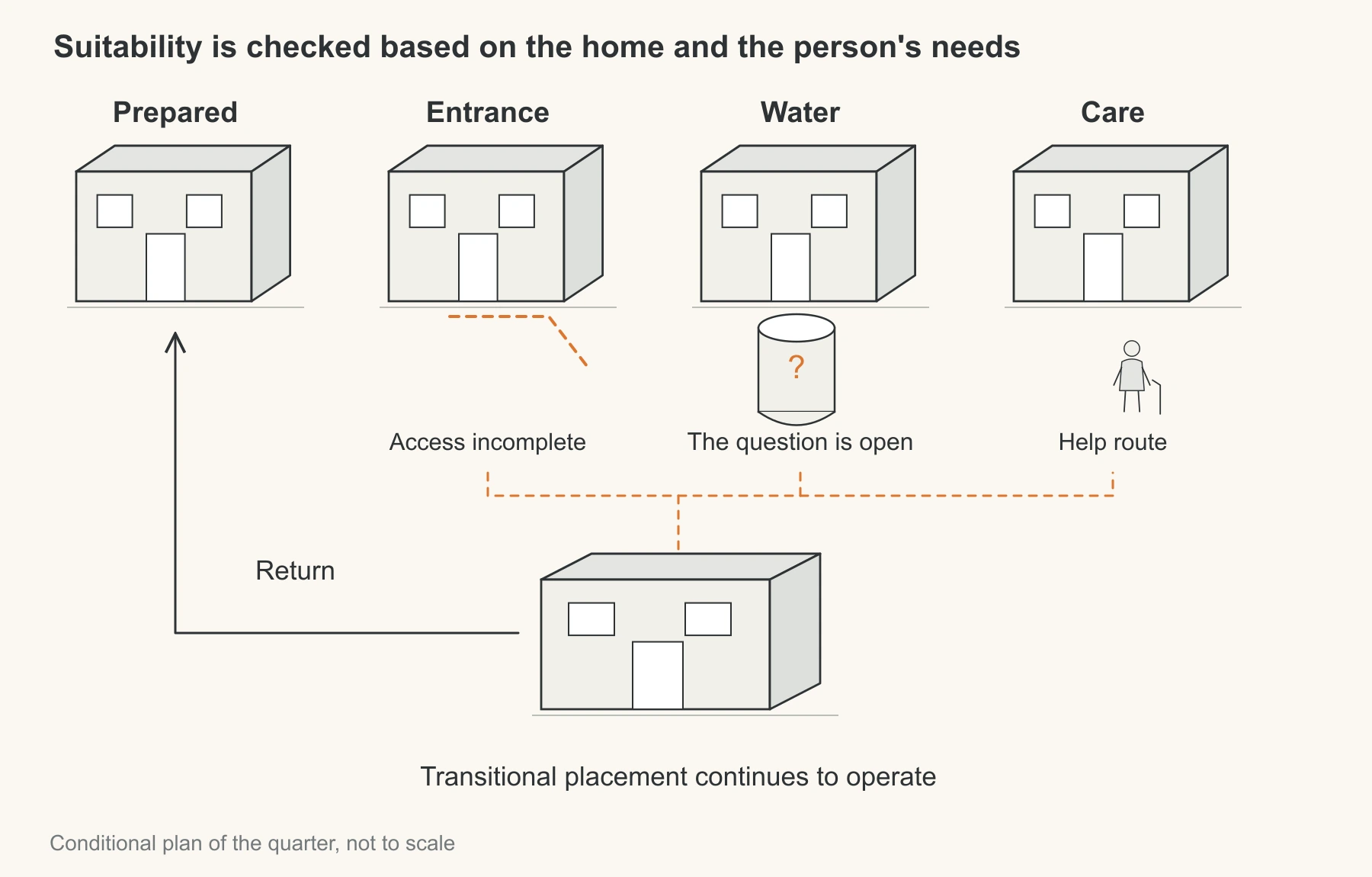
Figure 36. Partial return according to home and needs
[S] Opening the area does not complete the verification of housing and necessary assistance for each person. The transitional placement is maintained until the remaining tasks are resolved.
A day later, residents report a new failure at a previously open site. The service verifies the information, enters a location-specific restriction, and updates the alert to include those who have already returned. Previous permission is not defended for the sake of reputation; the people who followed him are not accused of having to move again. As a result, streets may remain open, but assistance to individuals, home access and water supply may remain unfinished tasks. The decision on the territory and the restoration of the life of a particular person are taken into account separately.
Preserving the Result and Testing the Plan
Family, settlement and city keep different amounts of records, but answer the same questions: who needs what; what is actually available; who accepted the job and what happened. For the family this is placed on a sheet. The settlement needs a log of requests and issues. To the city - compatible information of services with paper work capabilities. Transmitting the necessary information through an acceptable channel should save a person from repeatedly confirming the same thing at each point. Loss of documents and lack of digital recording should not automatically terminate urgent protection.
The need, resource and transfer are linked by the task number. The needs record includes the person, the help needed, the location, and a safe contact. In a resource record - availability, status, purpose, access and owner. The transfer record contains the recipient, the promised result and its confirmation. Medical details remain with those who need help. The names of those responsible are supplemented with the current shift, deputy and the way to accept work without a network.
Work statuses show progress: message received, information verified, executor assigned, assistance started, result confirmed, transfer completed, new plan required. Closing is accompanied by the result or reason for an erroneous or repeated application. History is not deleted for the sake of convenient statistics.
[S] A separate training record T-008 shows the difference between transportation and other assistance. In the car there are actually 18 people and 2 accompanying people; one more declared person remains with the medical service and has a different task. After canceling the previous address, the Vostochny center confirmed the reception of twenty with the specified needs. The car arrived, the employee checked with everyone. For one person, a request for accessible communication remains: the transport part is completed, further assistance is transferred, a separate request is opened. The numbers refer to this entry and not to the case of two buses.
Pre-incident training
The test is conducted as a safe tabletop exercise. Participants receive observations and available tools, actions are explained, and an observer notes missing information and broken promises. The dangerous effects are not reproduced, protective equipment is not tested on people.
Start by breaking the connection, then add a closed route. In the next pass, change the original hypothesis: the supposed external contamination turns out to be an internal accident. Separately, you can use the explicit property S13, which actually changes the transmission between places. In each case, you need to name the nearest action, the person responsible, the cost of choice and the fact after which the decision will change. A guess about an available resource is not counted unless it is included in the input.
The family shows where the contacts and necessary information are, what they do when separated and when they refuse to meet. The shelter manager shows the available exit, the limits of the room and the procedure for changing the mode. The settlement draws up an application that is understandable to the recipient. The city and hospital pass on current decisions and unfinished care to the next shift. If the prepared plan does not have an implementer, the exercise should reveal this.
The assessment concerns the observable outcome: whether the situation of dependent people is known; Is reception confirmed? whether the danger created by the shelter is noticed; did you get the fix without internet? Speed is considered together with consequences. A quickly dispatched car is not considered a success if its passengers are left without accessible reception.
After the exercise, specific things are corrected: number, address, absence of a deputy, unavailable transportation, procedure for transferring the child, condition for lifting the restriction. The new local version gets a date and a person responsible. Re-inspection is required after significant changes to family, health, building, routes and services. A general readiness post does not complete this work.
What is considered completed assistance?
For notification purposes, people who have received a clear action and groups that have not yet received it are important. To move - a technique with support. For supply - a suitable resource available to the recipient. To return - the opportunity to live with the necessary services. Repeated calls, missing confirmations and numerous exceptions show which order needs to be changed.
Save also successful decisions: a working contact, a clear record, a real reserve, the right to cancel an erroneous instruction in a timely manner. They allow the next shift to repeat the assistance without requiring heroism. Local implementation of this part begins where actual actors are assigned, channels and addresses are verified, legal authority is agreed upon, safety training is conducted, and gaps identified are corrected. Suitability is confirmed by available action, including when the original explanation for an event turns out to be wrong.