Part I. The First Decision
Act Before an Explanation Is Available
At the start of an unknown event, the most useful resource is usually missing: clarity. Something is visible, witnesses report other things, and some instruments are silent. Yet people already have to decide whether to stay where they are, who needs help, and whether normal work can continue. The first decision is rarely final. Its purpose is to preserve lives and the ability to take the next step.
Let's remember the scene from the preface. Lights outage, unusual lighting, and medical device shutdown may have one cause, multiple causes, or just coincide in time. Helping a person is justified in all these cases. But the assertion of an attack requires additional grounds. By separating one from the other, we free the action from the need to wait for a comprehensive explanation.
Therefore, until there is sufficient evidence, the book uses the words “phenomenon,” “source,” and “threat.” The word "enemy" appears where the scenario involves targeted hostile action. The hazardous effect may be the result of a natural process, a human accident, the operation of an autonomous system, or an observational error. Strangeness by itself does not tell us about intention.
Next you will need two skills. The first is to describe what is happening so that the other person can understand what is actually known. The second is to associate each decision with the conditions under which it remains reasonable. These skills are equally needed by families and large organizations, although the scope of their tasks differs.
What we know and what we assume
All protocols of the book are the author’s projects [P]. They require local scrutiny: who is entitled to act, what equipment is available, what procedures are already required and how the new measure will affect neighboring services. The text does not attribute any lack of preparation to the reader. Engineering switches, medical decisions, working with unknown materials and the use of force require appropriate competence and authority.
The [O] mark means that a published source is named next to it. Its meaning is limited to its own subject. The Radiation Accident Manual helps discuss a specific channel of influence, but does not confirm the existence of an energetic entity. A document about searching for an extraterrestrial signal does not become a plan to repel an invasion. At the end of the book it is indicated on what materials the relevant arguments are based.
Label [S] specifies the rule for the thought experiment. For example: within the exercise, the source is actually able to manifest itself within the outer enclosure. This condition allows you to check what will change in the operation of the system. It does not communicate a real discovery. All invented observations, resources, and case study outcomes have this status.
The label refers to the nearest statement or designated fragment. If an entire parse is marked [S], its numbers and events belong to the script. Within such an analysis, one can reason strictly: the condition is specified, the available information is listed, the consequences of the decision are traced. The rigor of reasoning does not turn the initial assumption into an established fact.
Three lines instead of one confident story
The first record of an event can be conveniently divided into observation, explanation and action [P].
Observation: “The lighting stopped working in two blocks.” Here it is important to clarify who installed it, where and when. Explanation: "The shutdown may be related to the glowing area." This is the version; There should also be other acceptable explanations nearby. Action: “Provide adequate power to the medical device as per site plan.” For this action, it is enough to know about the power failure - the connection with the glow has not yet been proven.
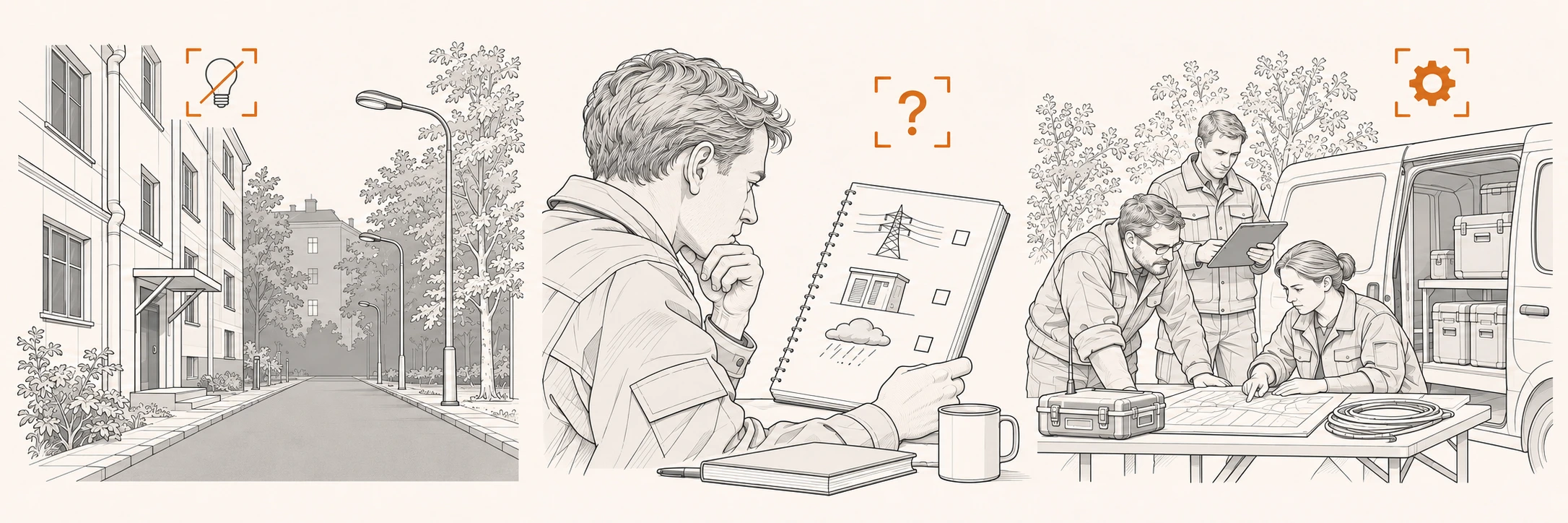
Figure 01. Observe, explain, act
[P] Left - observed lighting outage; in the center - not yet selected explanations; on the right is support for the required function. Each record maintains its own degree of confirmation.
When the three lines merge, the assumption quietly becomes a command. The manager hears “the facility is shutting down the network” and makes a decision against the facility, even though the original message was only about shutting down. The reverse fallacy occurs when doubt about the explanation prevents recognition of harm that has already been observed. Saving three lines allows you to argue about the cause and continue to help at the same time.
For a short passport of an event - form F01 - it is enough to write down the place, time or order of events, the source of the message, the observed effect and the harm already caused. Then they add available background records, possible explanations, independent confirmations, measures taken, open questions, and the person who will reconsider the decision. Not all fields can be filled in at once. An empty field with a clear question is more useful than invented precision.
Two messages are only as independent as the way they are received. The retelling of one video in two channels remains one initial observation. The two devices can share power, clock or processing program. If the general cause of the error is not verified, this limitation is retained in the output. Unreliable clocks record the sequence of events and the uncertainty of time without retroactively assigning exact minutes.
Severity of the event and certainty of the cause
Specifically ask, “What harm is already occurring or could occur?” And separately: “How reliably do we understand the cause?” The answers do not have to be the same. An unknown cause may be accompanied by an obvious need for rescue. A convincing recording of an unusual object may not contain signs of danger.
What has been established | Immediate task |
Harm is observed, the channel of influence is clear | Help and protect against the established effect; check the result |
Harm observed, cause unclear | Reduce observed impacts and maintain options for future action |
Unusual observation confirmed, no harm detected | Verify surveillance and readiness without declaring hostility |
There is only an unconfirmed message | Determine the origin of the message and look for verifiable signs |
This is a scheme of reasoning [P], not a scale of mandatory measures. It does not set a universal distance, waiting time or level of acceptable risk. Such values depend on the specific hazard and available data. In particular, strangeness, heaviness and confidence cannot be combined into one score: a high score hides what exactly the basis of the action is.
Do What Is Actually Possible
The plan often contains people and funds that are not available. A substitute is listed but not available. The stock exists, but is stored in a locked room. One car is promised to two points at once. Before action, you need to check joint availability: can the right person get the right product in the right place now?
One person without special equipment is able to stop unnecessary approach, call for help, describe the observation and perform mastered protective actions. The family can distribute support, communication and care for loved ones. A trained specialist checks a known system within the limits of his qualifications. The acting service coordinates special work and resources. The transition between these levels requires a real person responsible; the unusual nature of an event does not replace its preparation.
If a task cannot be accomplished now, this should be stated explicitly and the consequence described. Then choose a smaller achievable goal. For example, the lack of transportation for the entire group does not negate the opportunity to contact the host party and find out who needs help first. But you cannot imagine an inaccessible transportation being completed or entrust an unprepared person with a dangerous special job. For an isolated group, further procedures are described in C15; in case of loss of control - to G06.
P00 First decision for unknown event
Who uses it. A person, family, facility official, or small group who notices a possible threat. At the station and special facility, the card is used in conjunction with the established emergency procedures.
Where to start? Name the observed hazard and select the immediate action that will reduce its impact. In case of injuries and immediate threat to life, call available emergency assistance without waiting to determine the nature of the phenomenon.
When to delegate a task. An arriving authorized service or a trained person responsible of a specialized task. Tell us what is being observed, what has already been done, who else needs help, and what is still unknown.
A card is needed when an unusual observation is associated with possible harm, loss of safe operation of a facility, or an alert worthy of verification. The message itself, without any signs of harm, triggers the scan. It does not automatically require the application of all emergency measures.
1. Find out what's happening nearby. Smoke, room damage, loss of consciousness, unusual object, and communications failure require different first actions. Stop unnecessary approaching, touching, carrying materials, and connecting unfamiliar devices. Recording an event from an already safe position is acceptable as long as it does not delay assistance.
2. Rate your current location. If the danger is inside, use the available emergency exit procedure. If the risk is external and the premises are suitable, consider temporary shelter. A wall, basement, car or distance does not guarantee protection from an unknown mechanism.
3. Check people. Who's nearby? Who has difficulty getting around, connecting with others, or maintaining a necessary device? Do not send untrained people to search in a dangerous area. Provide services with the missing person's last known location and the time it occurred.
4. Keep your message short and to the point. Place, effect, people in need, actions taken, and feedback are more useful than the word “invasion.” Verify the received order through a known channel when this does not delay rescue. Exiting a burning room does not require first resolving all discrepancies in messages.
5. Select the nearest target and the condition for its change. This could be assisting the casualty, providing suitable placement, maintaining a necessary function, or checking a signal. Name the person responsible and available resource. Damage to the shelter, new symptoms, failure of life support, or indications of an unsuitable route require reconsideration.
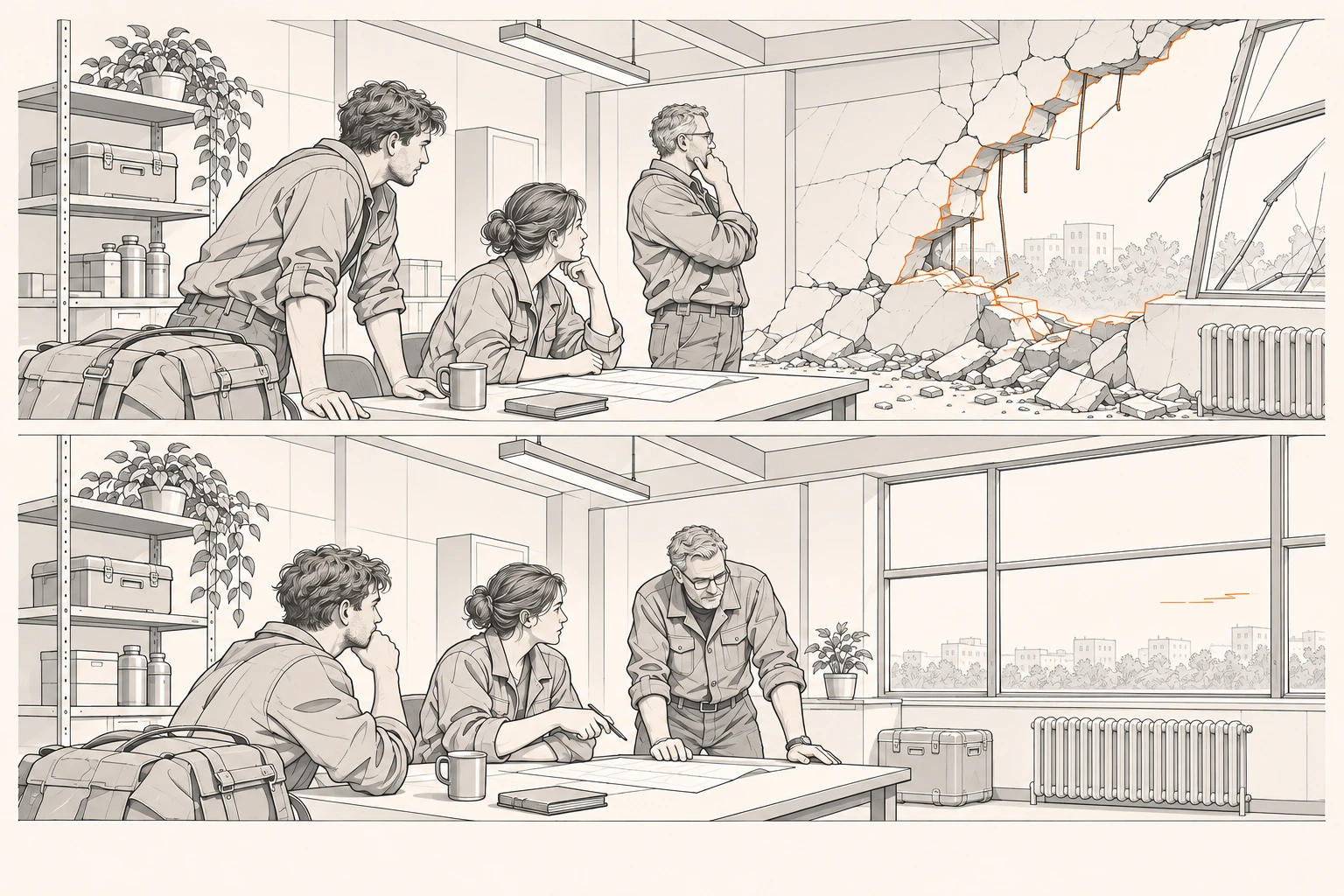
Figure 02. Closest target for unknown event
[P] Two conditional states of one room show why the immediate achievable goal depends on the conditions inside, information about the external situation and available help.
If there is a possible transfer of contamination, the planned movement is coordinated with the services and the recipients are warned. If the current location directly threatens life, use the available emergency exit without waiting for approval; Possible exposures will be reported as soon as possible. The correct exit from a dangerous place does not confirm the suitability of the next one.
Without communication, the group relies on known local order, available means of notification, and an agreed upon point of next contact. If there was no agreement before, a simple feasible agreement is created now, within the available conditions. Sending a person through an unknown dangerous zone just for the sake of communication is not a ready reserve.
An action is stopped or changed if it creates a new immediate danger, interferes with rescue, or has lost its original basis. The next check is related to the speed of change in the situation and the available forces. There is no universal safe wait in minutes. When combining tasks, go to P01; when changing the person in charge - to P02. Returning to normal operations requires your own review of the site and vital systems.
How different levels are connected
The family needs clear information about the affected area, immediate action, help and next message. To the settlement - data on routes, water, accommodation, care and limits of their own work. The city coordinates the flow of people and infrastructure. The state provides interregional support, international interaction and certainty of authority. Observations and needs are conveyed from below; at the top are decisions that can be acted upon.
The published description of the US National Incident Management System (NIMS) distinguishes between field work, operations support, senior management decisions and public awareness. Material produced by the US Federal Emergency Management Agency (FEMA). Here this approach serves as an organizational support: different functions must be coordinated while maintaining clear performers. The structure of government bodies depends on the country. [O; R1]
Each local scheme pre-determines the replacement of an unavailable manager and the range of decisions without communication. This circle does not automatically expand due to the unusual origin of the threat. We also need in advance conditions for lifting restrictions, checking their consequences and a way to correct an erroneous decision. Undoability is part of management from the very beginning.
P01 When right actions interfere with each other
Who uses it. The person coordinating his team, the agency leader, or the acting response leader. The card coordinates tasks within the existing authority.
Where to start? Name the conflict specifically: who should do what, why the two actions are incompatible, and what will happen if there is a delay. The emergency rescue continues while the contradiction is resolved.
When to delegate a task. If the decision is beyond your authority, it requires a professional assessment or agreement between territories. Convey both goals, available options, actions already started, and a deadline or event after which it cannot be expected.
Let's say the damaged premises need to be left, but the receiving point has not yet been warned about possible contamination [S]. The phrase “the protocols contradict each other” does not solve anything. A more precise description shows two different tasks: to remove people from immediate danger and to organize further reception taking into account the possible impact. They may require different performers and different times.
First, separate the immediate danger from the perceived danger. Then check whether the actions themselves are truly incompatible. A ban on unnecessary approach to the source does not mean a ban on leaving the damaged building. Restrictions on planned transportation should not quietly turn into a requirement to wait for permission where collapse is already threatening.
Compare the available options on four questions: what harm they reduce, why delay is dangerous, what neighboring functions are affected, and whether course can be changed. If there are no reliable probabilities, consider several plausible conditions. Write down at which point each option will stop working. Divide tasks between people only when the performers are actually available; One person cannot be assigned to be in two places at the same time.
After choosing, convey one valid statement for the specified location: purpose, executor, restrictions and reason to reconsider the decision. If possible, ask the recipient to repeat the meaning. Separately note who could remain with the old order. Then check the result. Leaving the premises and obtaining suitable accommodation are different achievements; the first does not cover the second.
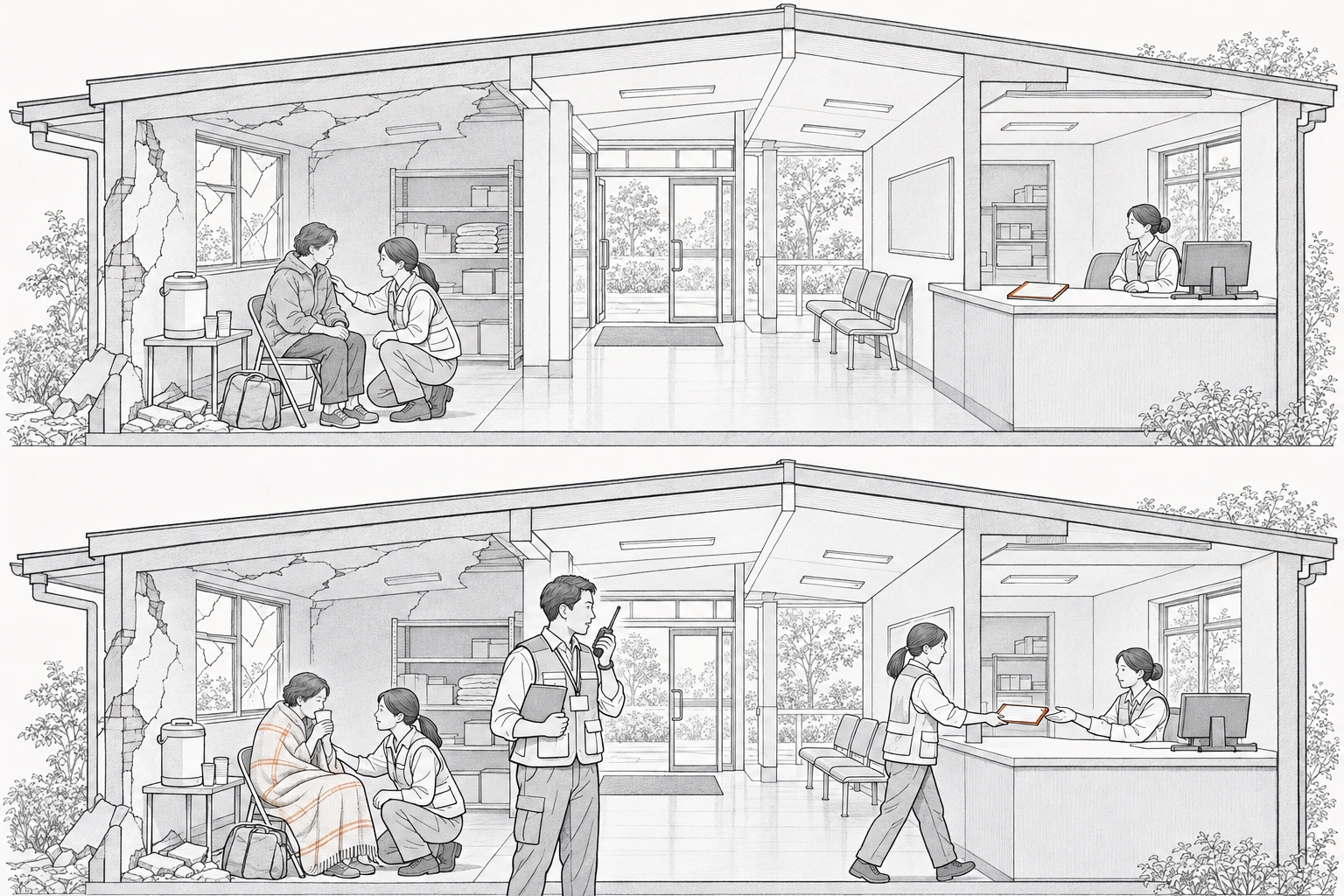
Figure 03. Two problems get one consistent decision
[P] Assistance continues simultaneously with the transfer of information to the receiving party. The person in charge agrees on specific tasks and confirms their completion.
Without a connection, don't count on unconfirmed reception. Keep the local option available and be clear about which external party commitments are not confirmed. Disputes between specialists are transmitted via G09, conflicts of territories – via G07. The immediate necessary assistance is provided to the extent available, without waiting for the entire dispute to be completed.
A review is needed if a path has become unusable, a protective measure has deprived people of needed help, a significant new fact has emerged, or the person responsible is unable to complete the task. They change a specific dangerous action, keeping the rest of the help where it remains justified. The result P01 is an agreed decision for a specific task; the remaining question remains open.
The crisis continues after the first shift
The first witness chooses the nearest action. The next shift already needs to understand why restrictions remain, what they managed to check and what is ending. The history of the incident helps to reconstruct this, but does not replace the description of the current situation.
To work, just a few related records are enough: event passport F01, current decisions F02, transfer of tasks F03, status of important functions and replacement contacts. The family can combine them on one sheet. In the city, records are kept by different people, so the coincidence of names, versions and boundaries of responsibility is especially important. Medical and other unnecessary personal information is not placed on the public record.
Separately, unfinished promises are saved: to meet a vehicle, to help a person, to clarify a dangerous assumption, to publish a correction. They are the ones who easily disappear when people change. Opposite the significant unknown question, they indicate what decision will change after the answer and who is looking for this answer. A curious question can wait; the question of the suitability of the shelter receives a different priority.
Information ages differently. The road, checked before the new destruction, is re-evaluated regardless of how old the record is. The deputy's contact is rechecked when the work organization changes. If clocks or coordinates are unreliable, preserve available landmarks and order of events, explicitly indicating the constraint. Renaming an object should reach people who use the old name.
P02 Transfer shift and save help
Who uses it. Transferring and accepting responsibility - in a family, placement site, institution, research group or headquarters. The transfer of central powers is additionally considered by G06.
Where to start? Name the people and tasks for which the immediate delay is especially dangerous: who is waiting for help, what function is close to failure, what transport is already on the way. Then clarify who actually accepts responsibility and to what extent.
When to delegate a task. The transfer is complete when the recipient understands the obligations, has confirmed the availability of performance, and the participants know who now decides. The submitted document or the absence of objections is not enough for this.
The shift begins with verification of the identity and credentials of the receiver. His arrival at the facility does not itself transfer responsibility. If he accepts only part of the work, the remaining tasks are named separately. The time and order of transition are chosen so that the necessary assistance is not left without a person responsible.
Transmit the current position with the date of the last confirmation. The words “currently observed,” “previously reported,” and “suspected” cannot be compressed into one confident statement. Identify remaining teams, recent cancellations, and groups that may not have received the fix. Check the location designations and the map version.
Next, look at open obligations: who to help, who is waiting for confirmation of admission, what is missing, and on whom the next step depends. The promised delivery remains promised until the necessary stages have been completed. The recipient must, in his own words, name the immediate goal, the most dangerous uncertainty, the reason to change the decision and the available reserve. The discrepancy in answers shows what still needs to be clarified.
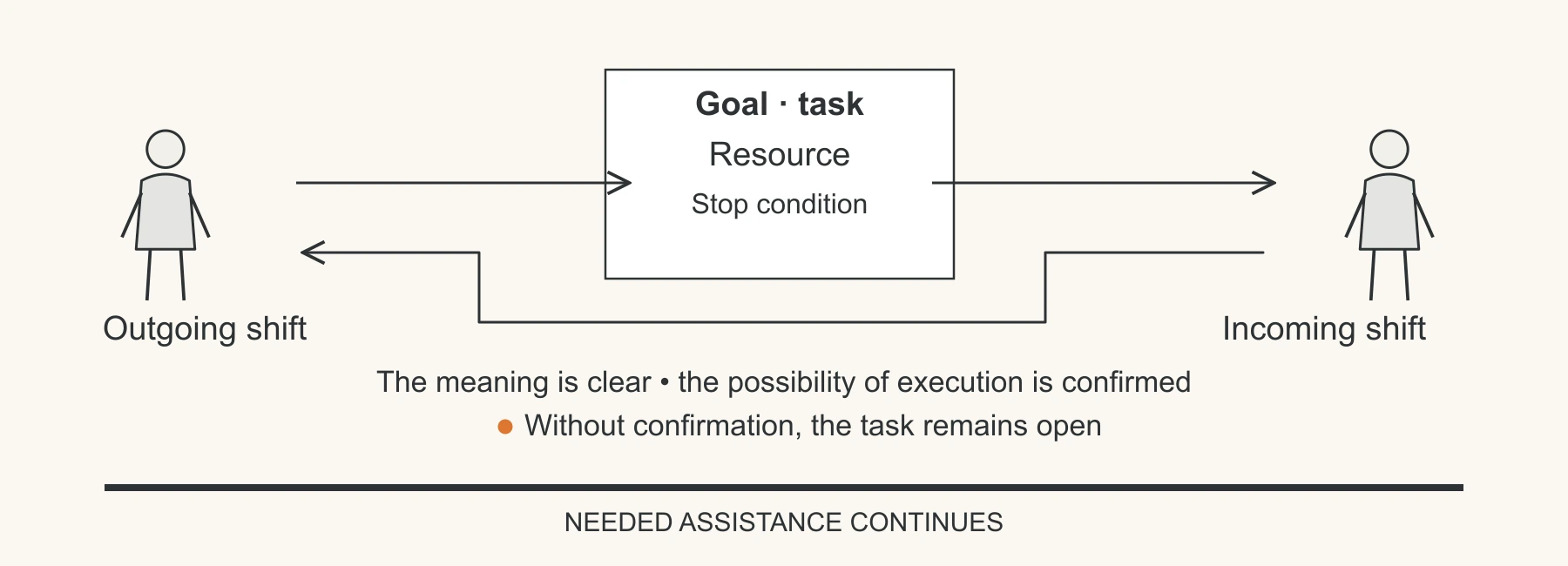
Figure 04. Shift handover: commitment accepted
[P] The transfer is completed when the receiving party has confirmed the meaning of the obligation and the ability to fulfill it. The necessary assistance continues through the changeover.
After confirmation, indicate the moment and volume of the transition. Inform the performers of the new name and method of contact. The first message from a new shift helps identify a lost task. At the same time, the previous shift must be given a rest: work does not become stable if the person who has completed duty remains a secret permanent reserve.
If there is no host, use a designated replacement or explicitly determine which tasks can still be temporarily supported. You cannot make an absent person responsible retroactively. If the transmitter is suddenly unavailable, the new picture is marked as incomplete and critical obligations are checked first. Without communication, they leave an accessible paper record and a copy of it in the designated place; a transfer that did not occur is called that.
Immediate rescue may interrupt the transmission. The same is done if the recipient is falsely identified or a dangerously outdated picture is discovered. After stabilization, the transition is completed by recording the break and the actions performed during this time. The criterion for success is continued assistance and clear responsibility; the signature preserves this fact, but does not create it.
Check That Help Reaches the Person
A system can have good individual cards and still fail people in the transition between them. The family received an address, transport was sent, but the point no longer accepted. The researcher clarified the conclusion, but the population continued to receive the previous version. The object retained its resource, denying access to a neighboring service. Such errors are visible when the entire task path is checked.
To move, follow the message, the ability to leave, transport, reception, assistance required and confirmation of arrival. For a scientific conclusion - the original record, processing, verification, limitation of the conclusion, the manager who received it, and the cancellation of the decision after changing the grounds.
At each transition, three different failures are possible. The contractor did not receive the task. The contractor received it, but has no funds. The action was completed, but the result the person needed did not appear. The fixes will be different: a repeated message does not create a transport, and a new person in charge does not make the building usable. Later we will return to this test in specific situations - from an unusual signal to the life of a city several years after the event.